

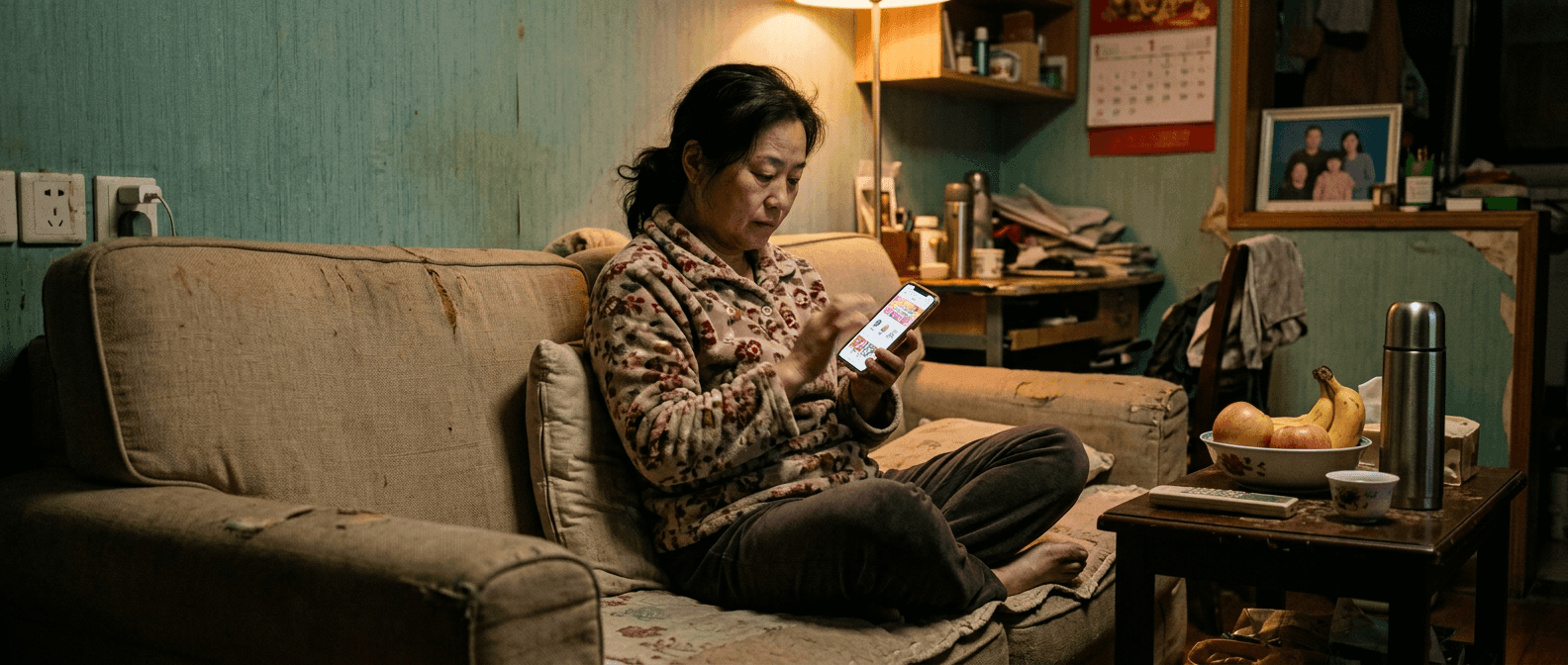
eCommerce in China is demanding and costly. It can also be your biggest growth lever.
We set up and grow your eCommerce presence in China. Tmall Global, JD Worldwide, Douyin, WeChat and RED. 15 years of operations behind every recommendation.
Two truths to internalise before you launch
Most brands enter China with strategies that worked elsewhere. Here is what shapes outcomes on the ground.
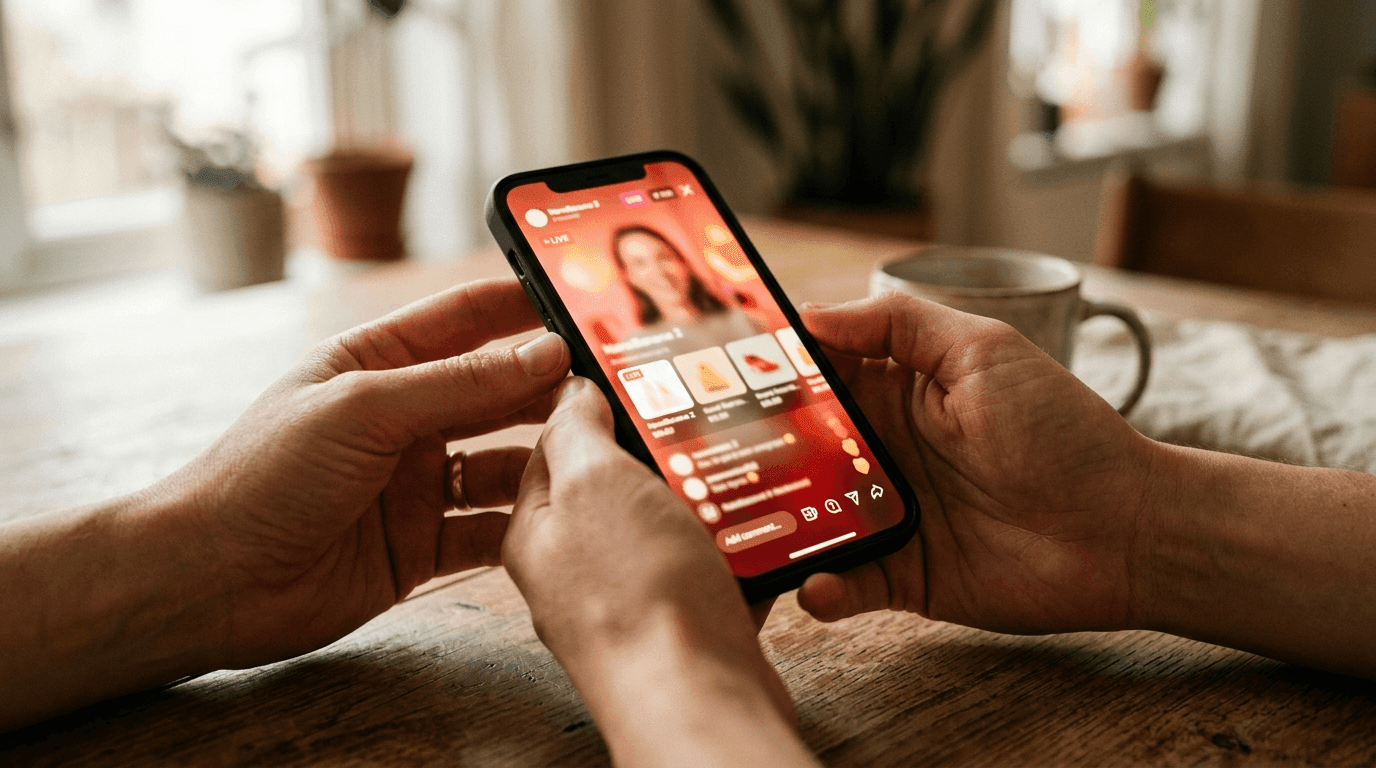
eCommerce localization goes beyond translation
Localisation runs deeper than language. Chinese shoppers buy through social commerce and livestreams, so any presence has to feel native.

Local competition is fierce, agile and well-funded
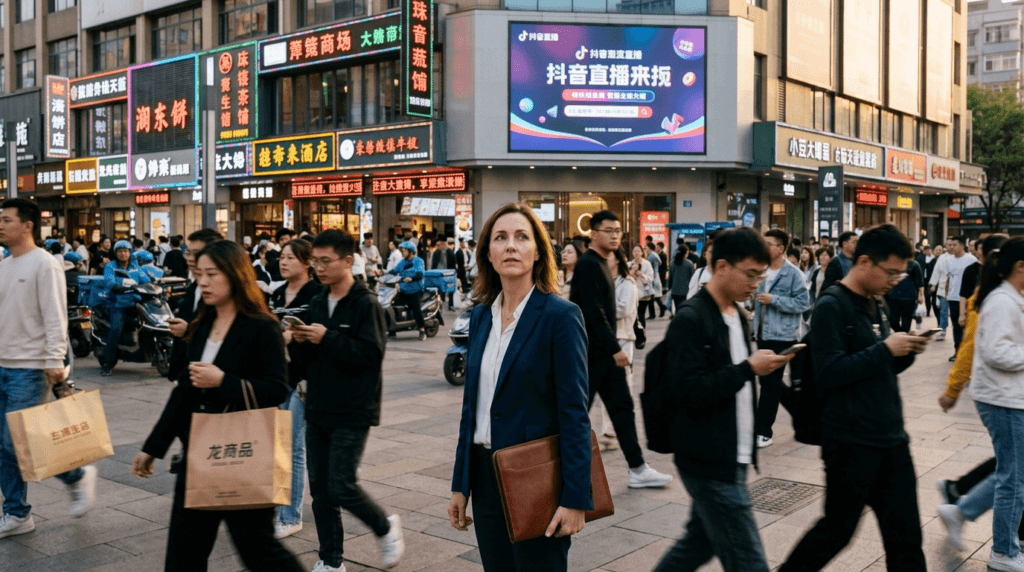
Alibaba, JD, Douyin and Pinduoduo set the pace, and local brands move just as fast. Staying visible takes constant innovation.
We set up and grow your eCommerce presence in China.
15 years running flagship stores and DTC shops in China for global brands and SMEs. Platform relationships and disciplined media buying turn strategy into sales.
- What you can expect
-
Data driven market entry
Strategy, positioning and pricing built on category data and platform reality, not assumptions.
-
Real understanding of the local shopper
We know how Chinese consumers buy across Tmall, JD, Douyin, RED and WeChat, and what makes them choose one brand over another.
-
Privileged platform relationships
15 years of working with platforms and distributors. We open doors faster, and we know who delivers and who does not.
Four levers, one growth engine
We set up your store, drive the traffic, sell at scale, and turn social into revenue. Hover any tile to see what runs underneath.
Marketplace
15 years on Tmall, JD, Taobao and Pinduoduo. Data driven strategy that lifts sales and margins.
- Tmall flagship operations
- JD direct and POP
- Taobao seeding plays
DTC, Direct to Consumers
Traffic to your DTC store through free, paid and earned reach, anchored on WeChat and private traffic.
- WeChat mini-program stores
- Private traffic CRM
- Loyalty and lifecycle
Distribution
Online and offline distributors across every region of China, matched to your category.
- Distributor sourcing and vetting
- Regional coverage maps
- O2O integration
Social commerce
The engine of commerce growth in China. KOL and KOC campaigns on Douyin and TikTok that sell.
- Douyin shop and livestream
- Xiaohongshu seeding
- KOL and KOC programs

Four ways to work with us
Every brand lands in China at a different stage, with a different budget and risk appetite. Pick the setup that matches where you are today. Most clients move between these over time.
Marketing agency
You keep the China operation in your own hands. We run the marketing engine that feeds it.
you already have a distributor, a TP or your own team selling in China, and you need a senior marketing partner to build the brand and protect equity.
- Brand strategy and content for Tmall, JD, Douyin and Xiaohongshu
- Campaigns for 11.11, 6.18, Chinese New Year and category moments
- KOL and KOC programs, paid media and CRM on WeChat
- Performance reporting tied to your sales channels
Sales agent
You want to sell through a Chinese distributor but you do not know who to trust. We find the right one, vet them and negotiate the deal.
you want a fast route to market without setting up your own operation, and you need someone on your side of the table during distributor talks.
- Map the qualified distributors in your category, online and offline
- Shortlist 15 to 30 candidates with a verified track record
- Prepare your pitch in Chinese, run the meetings, negotiate terms
- Support contract review and first-order logistics
- Stay on the ground after signing to keep the partner engaged
TP, trade partner
We operate your stores end to end on Tmall, JD and Douyin under our China licenses. You keep ownership of the brand, the inventory and the customer data.
you want a Chinese flagship you control, but you do not want to set up a China entity or hire a local team yet.
- Store design, content, merchandising and campaign pages
- Day-to-day operations, media buying, order processing
- Warehousing and fulfilment through our logistics partners
- Customer service and after-sales in Mandarin
- Monthly reporting tied to your global commercial team
Exclusive distributor
We act as your master distributor for China. We buy the product, hold the stock and sell it across online and offline channels.
you want a single point of accountability for the China P&L, and you would rather not invest in setting up the commercial side yourself.
- Ownership of the China P&L end to end
- Marketing, sales, logistics and inventory management
- Distribution online and offline, direct and indirect
- Compliance, regulatory and platform relationships
- Reporting on sales, sell-through and brand health
Two questions, four answers
Who runs the day-to-day commercial side, and who carries the inventory? That decides which setup fits. Hover a cell to highlight the row and column.
Most brands start in one box and move to another. A brand that lands through a distributor often opens its own flagship with us as TP once the category is proven. A brand running its own store sometimes adds offline through us as distributor when retail listings open up.
Our eCommerce platforms in China
Certified operator on the platforms that matter. We choose the right mix for your category and ambition, then run them.

Douyin
Official TikTok and Douyin Marketing Partner. Short video, livestream and shop in one funnel.

Tmall
15+ years on the platform, certified TP. Flagship stores, brand zone and festival operations.

JD
Marketplace or retail distribution, we manage both. Strong for home, electronics, mother and baby.

eCommerce and loyalty mini-programs. CRM, private traffic and channel-based commerce.

From plan to peak festival
Three phases that turn a launch into a real business. Scroll through.
- Phase one
Plan and research
We combine your goals, industry expertise and product with our data insights to craft the optimal eCommerce strategy.
- Phase two
Launch and promote
We design and open your sales channels in China, then generate traffic through KOL, KOC, paid media and content.
- Phase three
Campaign and optimise
We run eCommerce campaigns for 11.11, 6.18 and other festivals, and continuously optimise media, operations and sales.
How we use AI to run eCommerce in China
AI is no longer a side project. It is how we cut cost, scale content and personalise the funnel across every store we run.
AI personalisation across the funnel
From product recommendations to dynamic landing pages, AI lifts conversion at every step. Same store, same media, more revenue.
- 0 avg conversion lift
- 0 support cost down
Lower operational cost
AI optimises supply chains and logistics, reducing waste and freeing margin.
Digital humans
AI-powered virtual hosts run livestreams 24/7 and answer shopper questions in-feed.
AI chatbots
Customer service costs drop when chatbots handle routine inquiries, returns and tracking.
AIGC content
AI-generated content produces variants for product pages, ads and creator briefs at scale.
Frequently asked questions about eCommerce in China
Twenty practical questions we field from operators planning a China launch. Filter by topic.
Setup How long does it take to launch on Tmall or JD?
8 to 12 weeks for cross-border, 12 to 16 weeks for domestic. Most of that timeline is content production, store design and brand audit. The platform application itself is a small slice.
Strategy Tmall, JD or Douyin first?
Depends on your category. Beauty, fashion and lifestyle usually start on Tmall or Douyin. Home, electronics, mother and baby do well on JD. Premium niche brands often seed on Xiaohongshu for six to twelve months before opening a flagship.
Setup Cross-border or domestic, how do I choose?
Cross-border launches faster, runs lighter on compliance and ships from bonded warehouses or direct mail. It caps you at a few hundred million RMB in some categories. Domestic gives full retail access and broader marketing but needs an entity, a tax structure and NMPA or SAMR filings.
Cost What sales volume do I need to break even?
A rough rule of thumb: 5 to 8 million RMB in annual GMV for a flagship store to fund itself, once you factor TP fees, content, media and platform commissions. Lower if margins are strong. Higher in heavy-discount categories.
Cost What does a TP actually charge?
Two layers. A fixed monthly fee per store, typically 30 to 80 thousand RMB depending on scope. Plus a commission on net sales, usually 5 to 12 percent. Setup, content production and media are quoted separately.
Operations How do I pick the right TP?
Look at category track record first, then store count, team size and access to platform reps. Ask for case studies in your exact category and references you can actually call. Watch for TPs who push templates instead of strategy.
Operations What happens to my brand if I leave my TP?
You own the store, the trademark and the customer data. The TP is a service provider. Plan the handover in the contract from day one: store credentials, data export, vendor list and content rights all transfer back to you on exit.
Legal Do I need to register a Chinese trademark before launching?
Yes. Register your brand and key sub-brands in Mandarin and Latin script before you launch. China is first-to-file. Squatters file early and force you to buy back your own name, which is slow and expensive.
Operations How do returns and refunds work on Tmall and JD?
Tmall enforces a 7-day no-questions refund window. JD runs something similar. Build it into your unit economics. Return rates run 5 to 25 percent depending on category, with apparel and shoes at the top end.
Marketing How much do KOL collaborations cost?
Xiaohongshu nano creators run a few thousand RMB per post. Mid-tier accounts sit in the tens to low hundreds of thousands. Top tier on Douyin can pass one million RMB per livestream slot. Tier your spend instead of betting on a single name.
Strategy Douyin vs TikTok, what is the difference?
Same codebase, separate markets. Douyin runs full eCommerce, livestream and ad stacks inside China. TikTok Shop runs in the US, UK, Southeast Asia and a handful of others. You pick by where your buyer lives, not by app preference.
Operations Can I run my own Tmall store without a TP?
Yes, if you have a Chinese entity, a Mandarin-speaking team and someone on staff who knows platform operations. Most foreign brands try this once, then bring in a TP after their first 11.11.
Legal How do I actually get paid for sales in China?
Cross-border platforms settle in USD or EUR to your home account, usually monthly. Domestic stores settle in RMB to a Chinese bank account. Repatriating funds out requires the right entity structure, a real business reason and proper tax filings.
Legal Which categories need special approval or filings?
Cosmetics, supplements, food, medical devices, dual-use chemicals and most anything ingestible or applied to skin. NMPA, SAMR or customs filings can take three to twelve months. Map your category early or you miss your launch window.
Marketing How important is Xiaohongshu before a launch?
Very, for premium and lifestyle brands. Chinese shoppers research on Xiaohongshu before they buy on Tmall or Douyin. A six to twelve month seeding plan with 50 to 200 creators is a credible warm-up for a flagship opening.
Cost How much working capital should I plan for?
Six to nine months of operating cost on top of opening inventory. That covers the gap between launch spend and the first stable cash flow once you factor returns, refunds and platform settlement cycles.
Marketing Is livestream commerce worth the effort?
In some categories it is now the default channel. Beauty, food, apparel and home sell heavily on live. Plan for 8 to 20 sessions a month for a flagship, mixing store-led and KOL-led broadcasts. Run for three months minimum before you judge the ROI.
Strategy Why do foreign brands fail in China?
Two reasons, most of the time. They underspend on marketing because they assume the brand is known. Or they ship the global product without adapting it to local taste, format or price. Both kill traction in year one.
Strategy How do you measure success on a flagship store?
Sales growth and contribution margin first. Then repeat purchase rate, organic search rank on platform, share of voice in category and brand health surveys. Festival weeks tell a story. The quiet months in between tell the truth.
Cost How do you keep operating costs under control?
AI for customer service, AI-driven supply chain analytics, automated creative and disciplined media planning. The bigger lever is picking the right model in the first place: marketing agency, TP or distributor, depending on stage and ambition.
Thinking about expanding your brand or business to China?
Tell us where you are today and where you want to be. A senior member of the team will reply within one working day. No sales funnel, no auto-responder.