
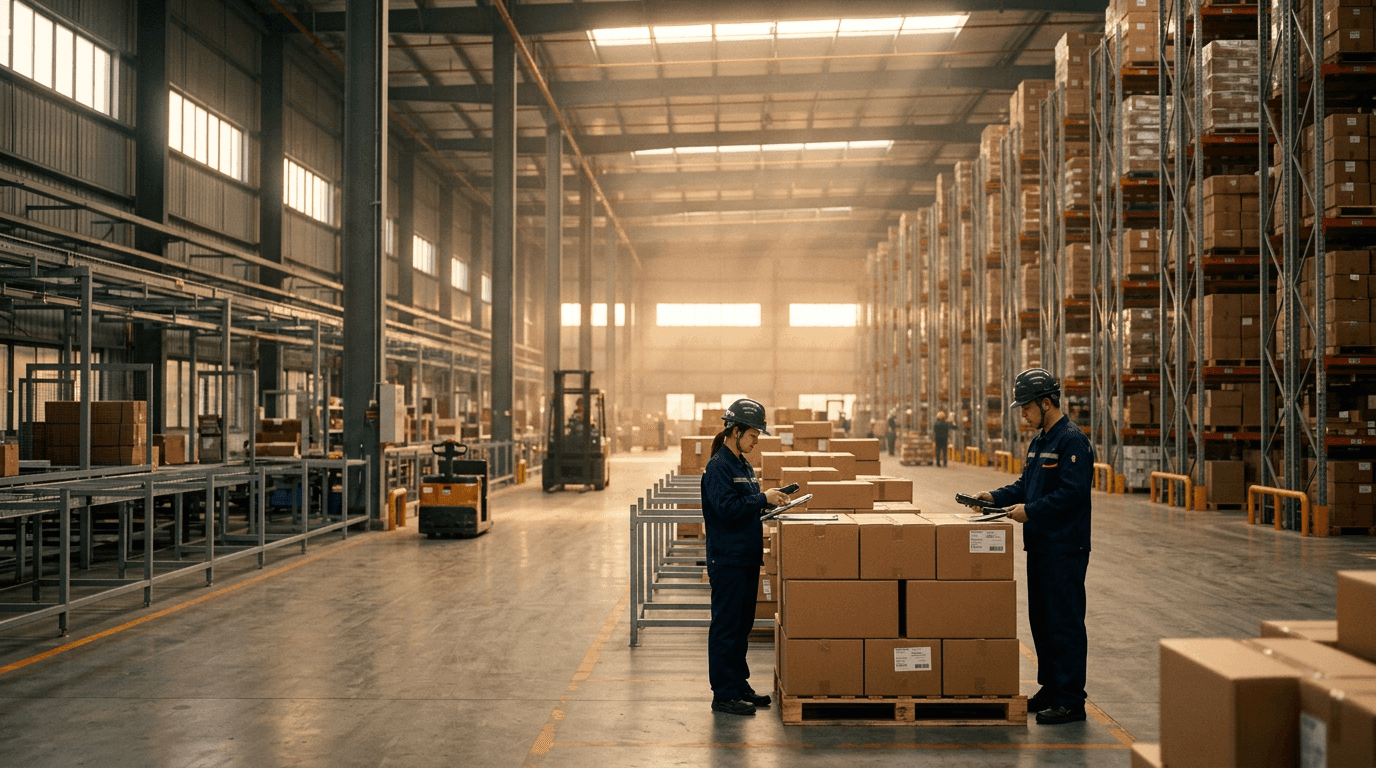
The right distributor, online and offline. And the team that keeps them honest.
We source distributors from BeyondCompass, our fifteen-year partner database. We negotiate in two languages. We stay on as your brand guardian once the contract is signed. Most agencies do one of those well. We do all three.
Two things to know before you sign anything
Most foreign brands meet the same dozen distributors at every trade show. Most signed deals go quiet within two quarters. Here is what we have learned shapes the outcome more than anything else.
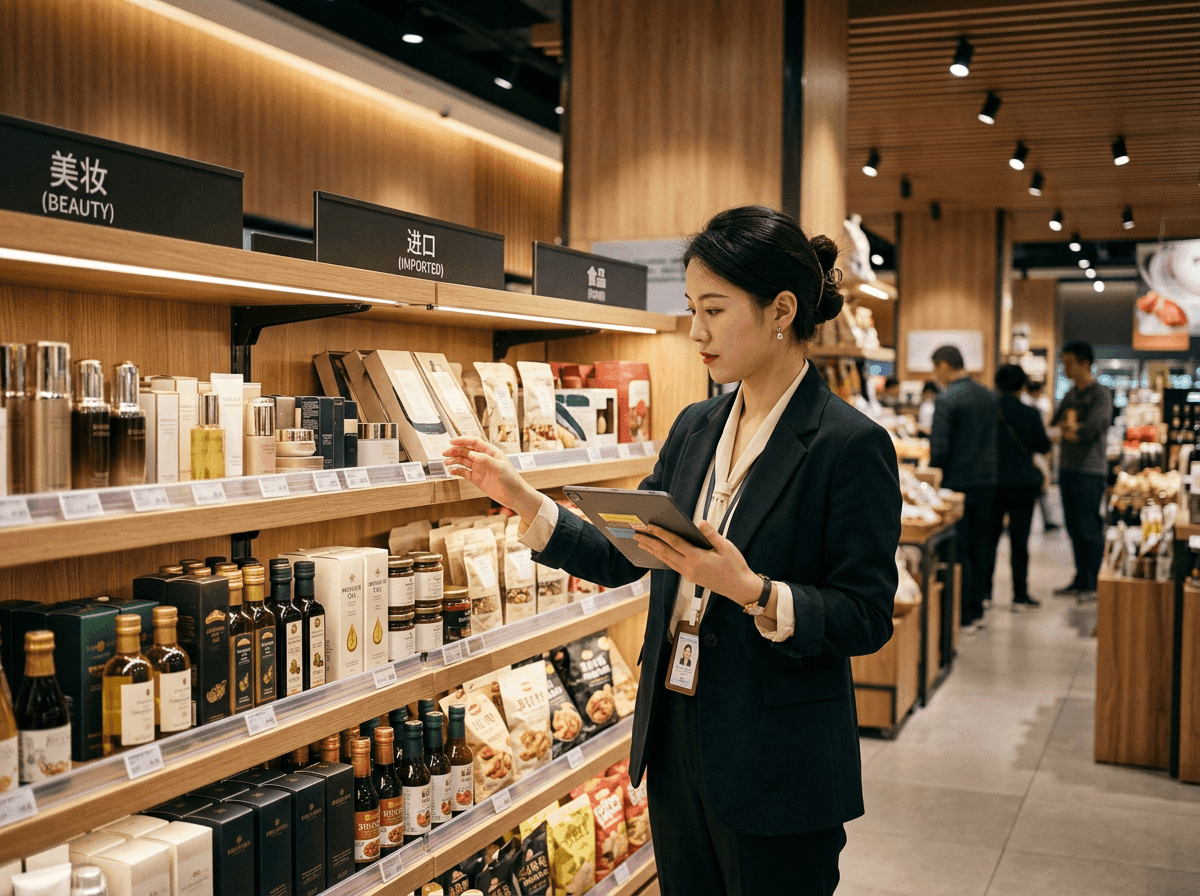
The right distributor is not the loudest one
The same dozen distributors meet you at every trade show. The right one is often a quieter operator we know by name, not the cold-callers.

Signing a distributor is the start, not the finish
Brands that go quiet after signing get pushed to the back of the shelf in two quarters. The work that protects your position starts after the signature.
Every shortlist runs on BeyondCompass
Most distributor sourcing in China is a list scraped off 1688 or Alibaba with a markup. Ours is not. BeyondCompass is the relationship database we have built over fifteen years across our offices and reps. Distributors, Tmall third-party providers, Douyin partners, importers. Hand-vetted, met in person, kept current.
Skip three months of bad introductions. Start from a list of partners we already know.
Generic sourcing firms scrape 1688 and Alibaba, slap a markup on the file, and call it a curated shortlist. A thousand names by lunchtime, almost none right for your category. We do not work that way. BeyondCompass is fifteen years of in-person meetings, refreshed every quarter, organised across every major consumer category we ship. When we run our four filters on the shortlist, we run them on partners our team already knows by name.
- 0 years of vetted relationships
- Every major consumer category we operate in
- Zero commission from distributors. Ever.
Three to five vetted names, tuned to your category and stage. Delivered in two to three weeks.
Right when you know the brief and need the introductions, fast.Fifteen to twenty comparable options across the landscape. Delivered in three to six weeks.
Right when you want the full picture before you commit.Unwind an underperforming partner. Source the next one. Manage the handover.
Right when the relationship has stopped working and you need a clean exit.
Find the partner. Then decide how much of us you need.
Both engagements run the same sourcing process: brief, longlist from BeyondCompass, shortlist, due diligence, negotiation. The difference is what happens after the contract is signed.
 Source and step back
 Project engagement
Find the partner. Hand the keys back.
We run the full sourcing process from brief to signed contract. Once the distributor is on board, we hand over and step back. You run the relationship yourself.
- Budget required Low
- Speed to signed Fast
- Local presence after Low
- Brand control Full
- Signed distribution contract
- Vetted shortlist of finalists
- Bilingual negotiation support
- Handover plan with KPIs
- Brief and scoping
- Longlist from BeyondCompass
- Due diligence and reference checks
- Negotiation and contract drafting
You have a China rep on the team, you want to keep the operating budget tight, or you simply need the right partner without the long retainer.
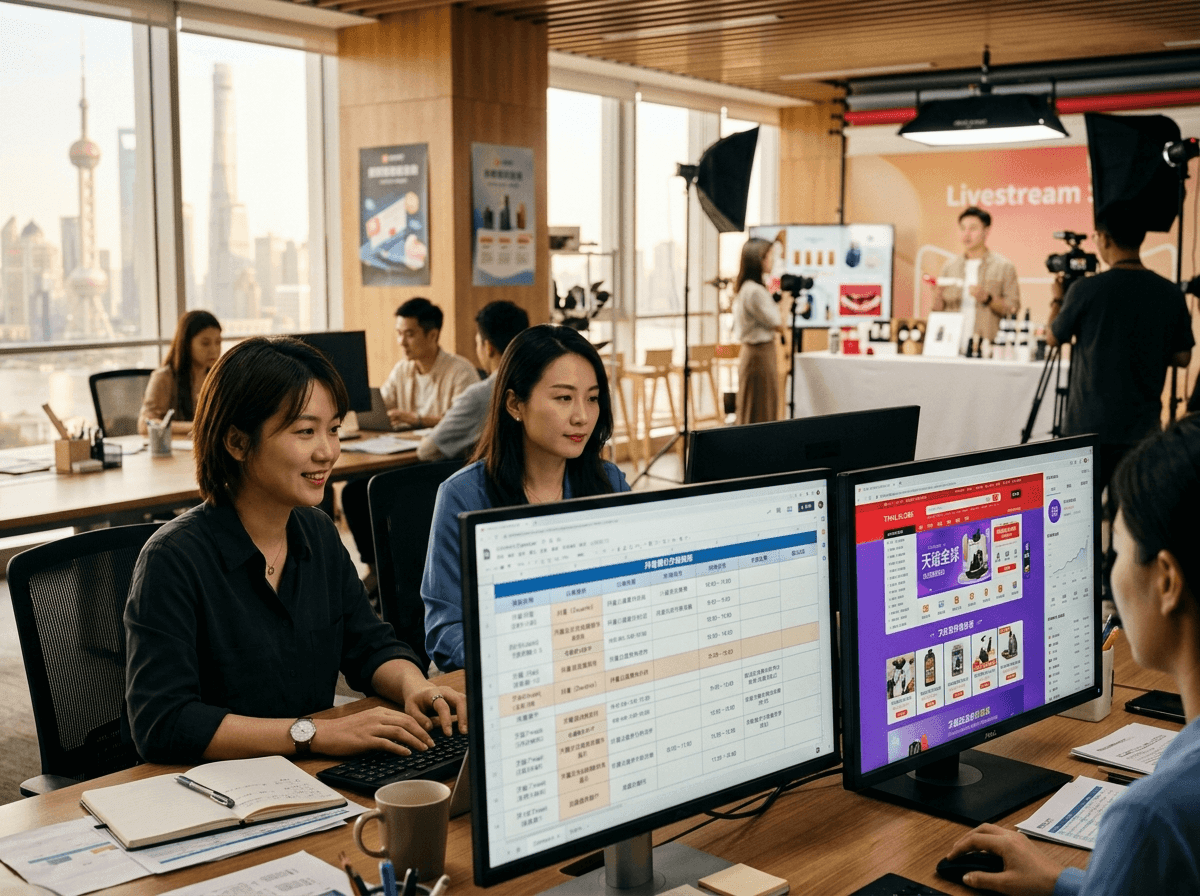 Source and stay
 Long-term partnership
Find the partner. Keep the brand intact.
We source the distributor and stay on as your local team. Brand guardian, marketing operator, monthly business reviews. The contract becomes the start of the relationship, not the finish line.
- Budget required Medium
- Speed to signed Fast
- Local presence after High
- Brand control Shared
- Everything in Project engagement
- Monthly business reviews
- Brand-guardian pricing and IP enforcement
- Marketing, KOLs and platform campaigns
- Phase one to four sourcing
- Ongoing brand guardian retainer
- Marketing on Tmall, JD, Douyin, RED, WeChat
- 11.11 and 6.18 campaign planning
You do not have an Asia team, the China P&L is strategic, or your last distributor partnership drifted and you need someone in-country protecting the brand.
Two questions, one answer
Do you have a China rep on the team already, or are you starting from zero? And do you want the brand defended monthly, or are you happy to run it yourself? That decides which route fits.
Four phases from brief to signed contract
Three to five months on average. Each phase ends with deliverables you can act on, not slides you have to translate. We sit on your side of the table the entire time.

Brief and scoping
We sit with you to define category, positioning, volumes, margins and the kind of partner that fits. The brief that comes out of this meeting drives everything downstream.
A written category brief signed off by both sides, plus a clear partner profile.
- Category, volumes, target SKUs and margin walk-through
- Channel and city tier strategy review
- Distributor profile definition (size, region, channel mix)
- Regulatory check (NMPA, SAMR) and timeline impact
- Category brief and partner profile
- Target volume and pricing grid
- Regulatory readiness check

Longlist from BeyondCompass
We pull a longlist of 8 to 12 candidates from BeyondCompass, our partner database. Distributors we know personally, met in the last twelve months, with active retail or platform credentials.
A longlist of 8 to 12 qualified names, each with a one-page profile.
- Pull candidates from BeyondCompass by category and channel
- Cross-check active retail or platform credentials
- Confirm category fit, scale and SKU appetite
- Refresh the file if anyone has gone quiet in the last quarter
- Longlist with profiles and contact tier
- Category fit notes for each candidate
- Channel coverage map
Shortlist, interviews and due diligence
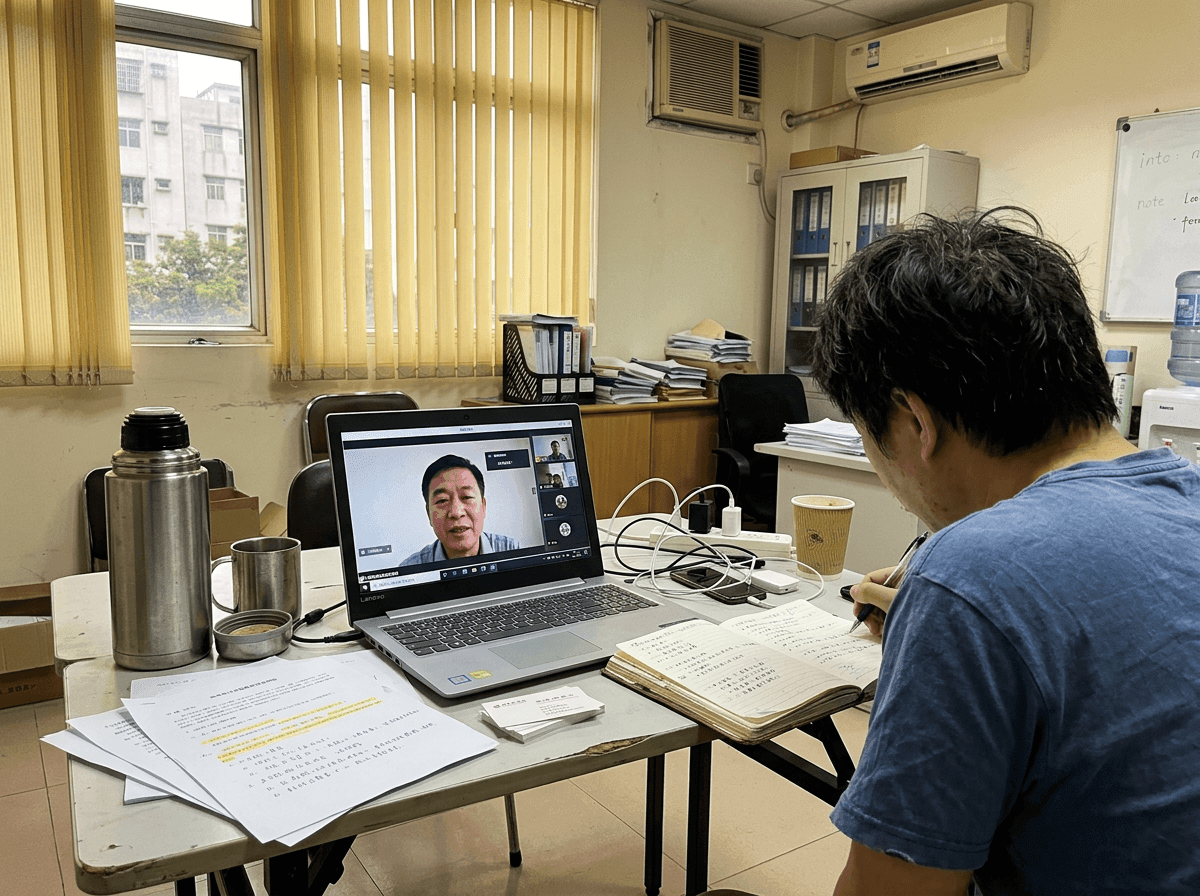
We narrow to three to five finalists, run the calls with you, translate where useful, and put each one through financial, licensing and reference checks.
Three to five finalists with full diligence files, ready to negotiate.
- Shortlist interviews (we sit on your side, translate live)
- Financial and license verification
- Warehouse, logistics and platform-account inspection
- Reference checks with current and former brand partners
- Track-record audit on Tmall, JD, Douyin if relevant
- Shortlist comparison book (deck)
- Due diligence file per candidate
- Side-by-side commercial offers
Negotiation and signature
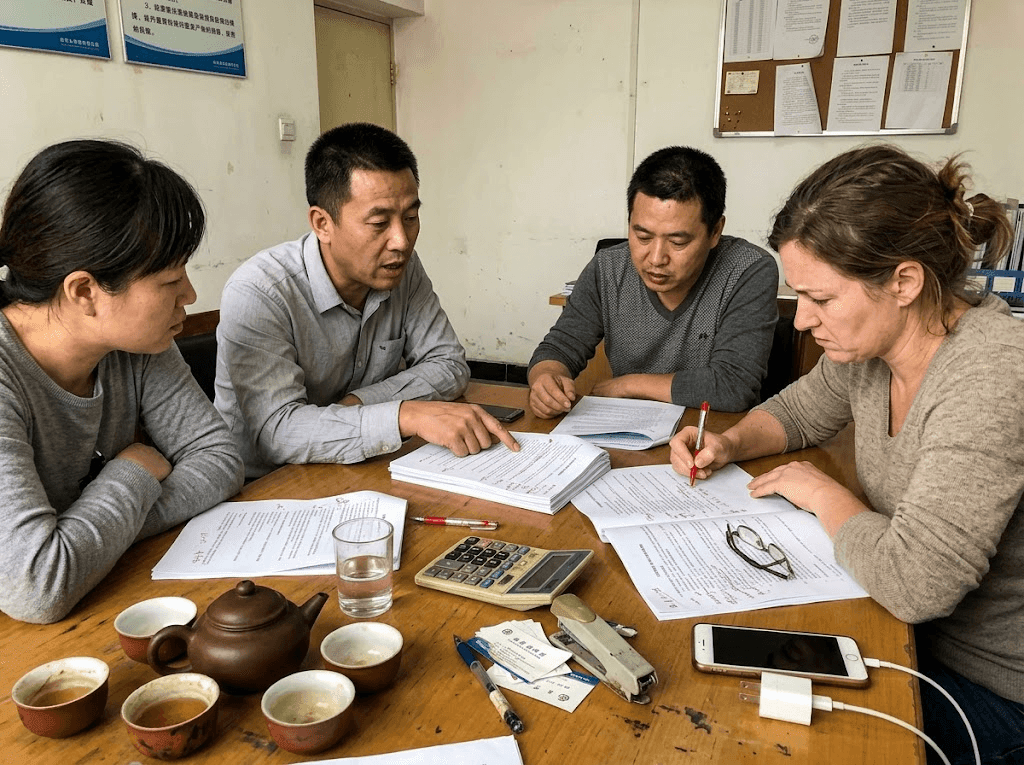
Territory, exclusivity, pricing, MOQ, payment terms, marketing contribution, brand protection, termination. We sit at the table with you, in Mandarin and English, until the contract works for both sides.
A signed distribution contract you can defend in court. Plus a clean handover plan.
- Term sheet drafting and bilingual negotiation
- Exclusivity, territory and channel-split clauses
- MOQ, payment terms and marketing contribution carve-outs
- Brand protection, IP and termination clauses
- Handover plan with first-90-day milestones
- Signed distribution contract (bilingual)
- 90-day handover and KPI tracker
- Brand-protection playbook
Twenty questions, answered straight
The practical questions we field from founders and operators sourcing their first or fifth distributor in China. Filter by topic.
Sourcing How do you find distributors competitors do not have?
BeyondCompass, our partner database. Fifteen years of in-person meetings across our offices in China, Hong Kong, Paris and our reps across every major consumer category we ship. Most sourcing firms hand you a scraped 1688 export and call it a curated list. We hand you a shortlist of partners we know by name, met last quarter, and would put our reputation behind. That is the entire difference.
Sourcing How long from first meeting to signed contract?
Three to five months. Scoping in week one, longlist by week four, shortlist interviews through weeks five to eight, due diligence and negotiation through weeks nine to sixteen. Brands that take longer usually got stuck on NMPA or SAMR work they should have started earlier.
Sourcing Will one distributor cover all of China?
Sometimes. More often you end up with two or three, split by channel (offline versus online) or by region (north versus south versus west). National exclusivity gets granted only against hard volume commitments. Brands that signed full national exclusivity without those clauses are the ones who get stuck for three years.
Sourcing What if my category is niche?
Niche is where BeyondCompass actually earns its keep. Generic sourcing firms only know the top thirty distributors in beauty and F&B. For pet wellness, premium kitchenware, niche supplements or specialised B2B, the right partner might be the eighty-third name on a list and the only one who will say yes. We have those names. They are not on the public internet.
Sourcing Do you take commission from distributors you introduce?
No. We bill you on the engagement. The distributor does not pay us referral fees. That is deliberate and it is written into the contract. If we took commission, our incentive would flip toward closing a deal instead of finding the right partner. Some clients ask. We are glad they do.
Channels Online, offline, or both?
Both, eventually. Beauty often starts online and pulls offline once volume justifies it. F&B usually starts offline and adds Tmall Global later. Premium lifestyle goes both at once. The right distributor profile depends on which surface you lead with. We work this through in scoping before any longlist gets pulled.
Channels Should I open my own Tmall flagship?
Usually no, not in year one. A flagship costs around RMB 150k to set up plus deposits, plus a Tmall Partner agency at RMB 30k to 80k per month, plus media. Distributors with existing Tmall accounts run more efficient stores at first. Open your own when annual GMV passes RMB 10M and you need direct control over data, pricing and CRM.
Channels CBEC or general trade for the first move?
CBEC (cross-border via Tmall Global and JD Worldwide) is faster. No NMPA registration for cosmetics, simpler labelling, lower duties on personal-use orders. Most brands use it as the test bed. General trade is required for offline retail and serious scale. The usual path: CBEC first, layer general trade once volumes justify the registration work.
Channels How do I reach tier-2 and tier-3 cities?
You do not, directly. Regional distributors do, and that is exactly why distributor partnerships exist. Tier-1 city tier (Shanghai, Beijing, Guangzhou, Shenzhen) is one game. Tier-2 (Hangzhou, Chengdu, Wuhan) is another. Tier-3 needs a different partner with a different cost structure. A national distributor that claims tier-3 coverage but only services tier-1 is a common red flag we catch in diligence.
Negotiation National exclusivity, or channel by channel?
Channel-split exclusivity in year one. Offline to distributor A, online to distributor B or to us. Full national exclusivity gets granted only against hard volume commitments and clear performance milestones. Brands that signed national exclusivity without those clauses are the ones who get stuck for three years.
Negotiation What payment terms should I expect?
First order: 100% prepaid against pro-forma invoice, sometimes a letter of credit for larger volumes. Once a year of clean trading is on record: 30% deposit, 70% on shipment, or net 30 to 60 days. Open account 90 days only with distributors we know well. Currency is USD or EUR almost always. RMB invoicing is rare for imports.
Negotiation What is a realistic MOQ on the first order?
Beauty and supplements: EUR 30k to 80k for a serious distributor to take you on. F&B: usually EUR 50k and up, depending on shelf life and pallet size. Anything below EUR 20k means the distributor is treating you as a test. Fine in itself, but the support level will match.
Operations How do I verify the distributor is reporting real numbers?
Read-only access to the Tmall and JD backends, written into the contract, not optional. Cross-check with an independent platform tracker like Magic Mirror for category sell-through. Physical store visits twice a year, minimum. If a distributor refuses backend access, walk away.
Operations What happens if the distributor underperforms?
We flag it early through monthly reviews if you are on a Source-and-stay engagement. If the numbers do not recover, we run a replacement sourcing. Brands that wait too long on a weak partner lose more than brands that change. BeyondCompass keeps replacement candidates current, so the next round usually moves faster than the first.
Operations How do I contain gray market and daigou imports?
You shrink them, you do not eliminate them. Tight price control in your home market, batch tracking, takedown service on Taobao and Xianyu for unauthorised listings, customs alerts at China entry points. Budget RMB 80k to 200k a year for monitoring if the category is exposed. Premium beauty, supplements and wine see the most parallel flow.
Operations How much of my team's time will this need?
Roughly two hours a week from your project lead during Phases 1 to 3. Three or four working sessions of half a day each across the engagement. Heavier through the interviews and the negotiation, because you sit at the table. We do the heavy lifting on research, longlist work and diligence.
Legal Who registers my trademark in China?
You do, under your own name. Always. Never let a distributor register your trademark, even temporarily. China is a first-to-file market and trademark squatting is a real business. File in classes 3, 5, 29, 30, 35 and 43 depending on category, before any commercial activity, before any trade show, before any social mention.
Legal What happens to inventory if we terminate?
Written into the contract upfront. Standard buyback clause: the brand or the new distributor buys back unsold stock at landed cost, minus reasonable depreciation. Without this clause, the outgoing distributor can dump product at any price or hold inventory hostage to block your relaunch. Negotiate it on day one.
Pricing What does this engagement cost?
Source-and-step-back: a project fee, typically EUR 40k to 90k for a single-category, single-channel brief. Quoted in the first call once the brief is clear. Source-and-stay: project fee plus a monthly retainer, retainer scales to scope, usually RMB 40k to 150k. No commission from distributors, ever.
Pricing When does going direct beat using a distributor?
Almost never in year one. Going direct means setting up a WFOE in Shanghai or Hong Kong (4 to 6 months, EUR 30k to 80k in setup), hiring a local GM, building warehouse relationships and absorbing the full risk. The breakeven sits around EUR 8M to 12M of annual China revenue, when distributor margins start to cost more than running your own operation. Below that, the distributor network and capital are cheaper than your own team.
Need a distributor in China? Or replacing one?
Tell us your category, your volumes and where you are today. A senior member of the team will reply within one working day with two or three names worth meeting. No sales funnel, no auto-responder.