


The apps that run China's internet.
A guide to the five platforms shaping how brands reach Chinese consumers, and what each one is actually for.




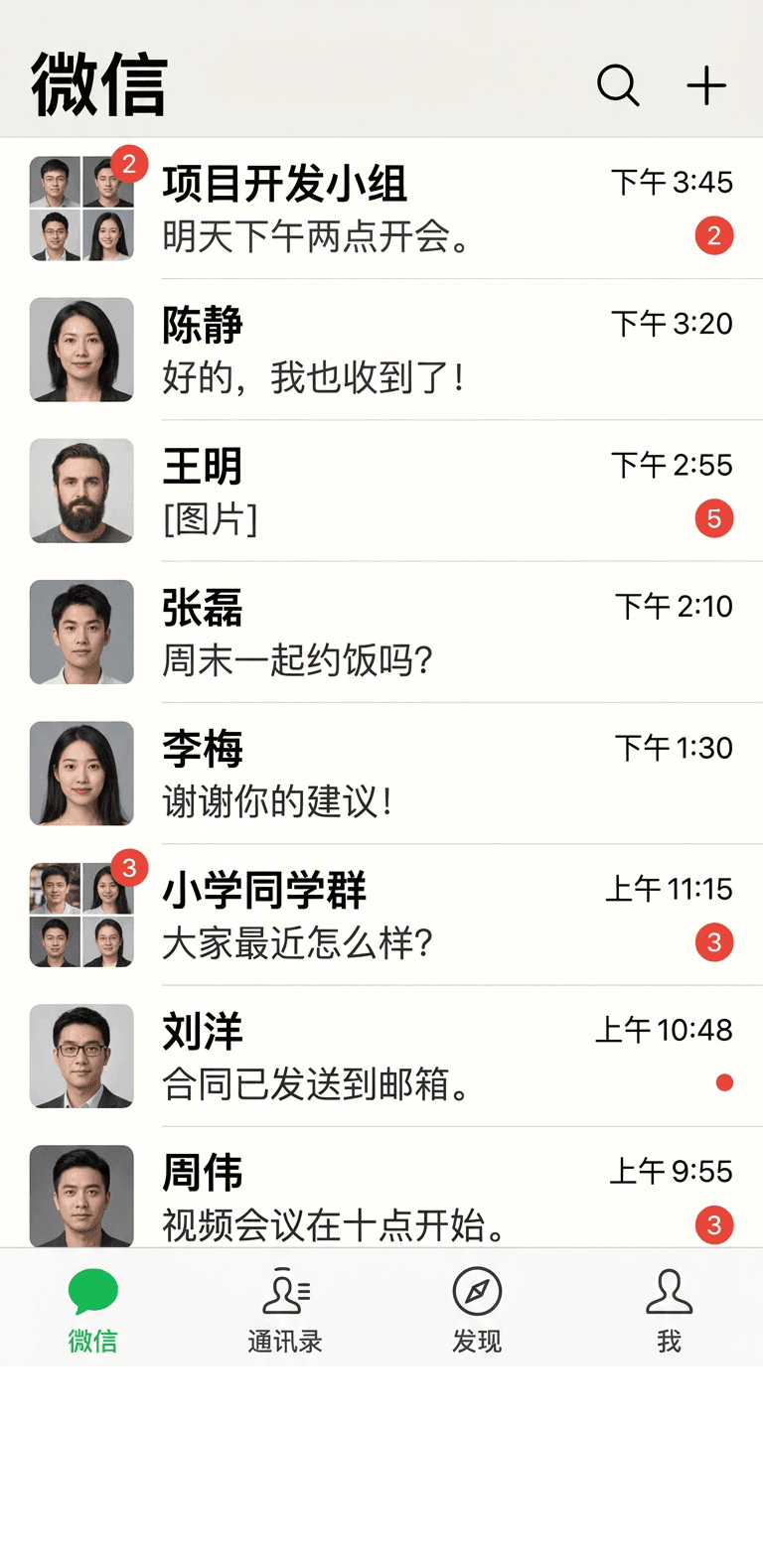
The closest thing China has to an operating system
Everyone in China uses WeChat. Most people open it dozens of times a day without thinking about it.
It started as a messaging app. It is now closer to an operating system. People pay for groceries with it, book doctors, split dinner bills, order coffee and message their boss inside the same five-minute window. Cabs take it. Street vendors tape QR codes to a wall.
For brands, WeChat is closer to a CRM than to social media. Companies use Official Accounts to publish and gather followers. Mini-Programs host the store, the booking page, the member club. Moments ads bring new fans in and push them to those Mini-Programs.
Starbucks and McDonald's both run two of the most-used Mini-Programs in China, mainly for ordering, loyalty and payment. Not really for branding.
People rarely discover a brand on WeChat. But once they have followed you, that is where the relationship lives.
1.38 billion monthly active users in early 2025
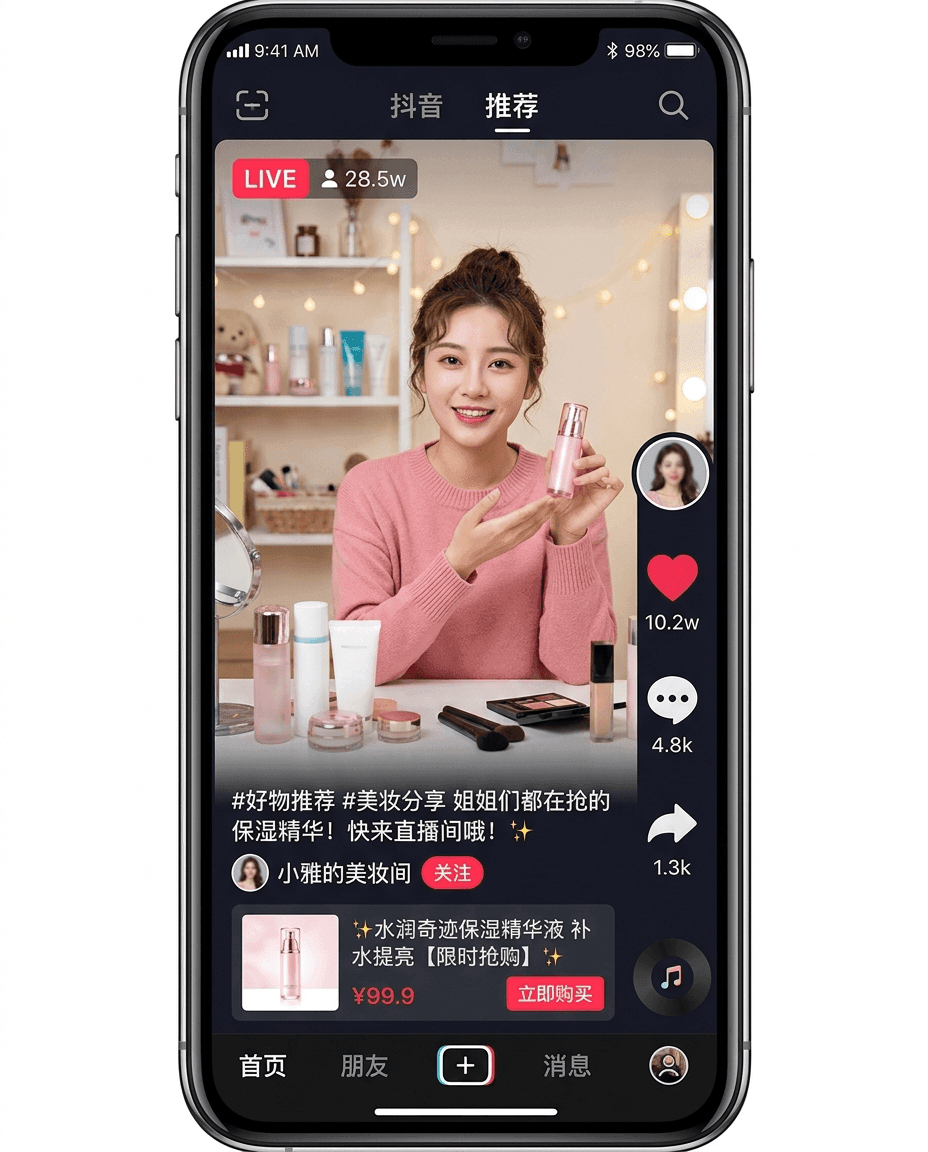
A storefront disguised as an entertainment app
Douyin is the Chinese sister of TikTok. Same parent, ByteDance. Different app, different rules, different ecosystem. For most Chinese consumers under 35, time on Douyin already beats Netflix and YouTube combined.
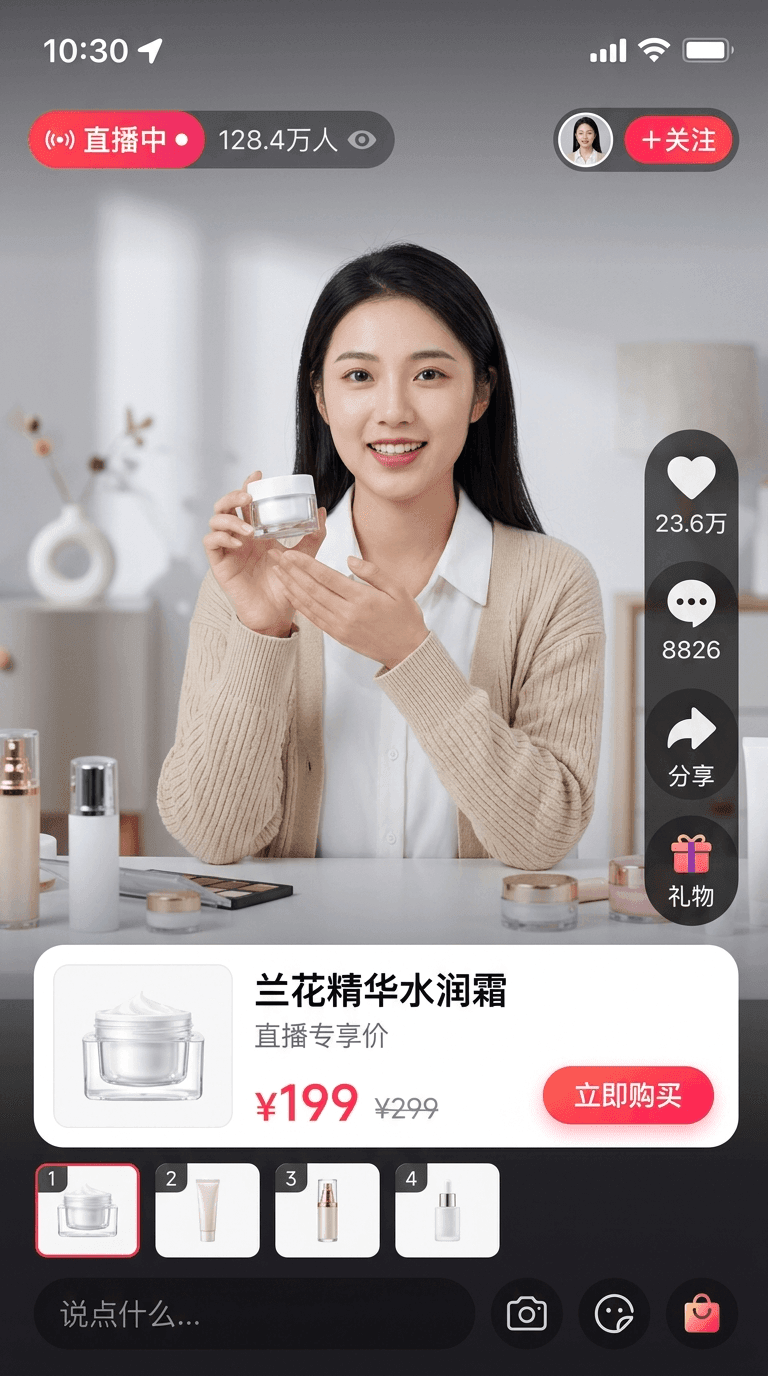
Douyin matters because it sells. People do not just watch videos here, they buy from them. A creator shows a lipstick on screen, taps a tag, and the product lands in the viewer's cart in seconds.
Livestreams run day and night. Hosts sell everything from face cream to SUVs. Beauty groups like Estée Lauder and L'Oréal often run their biggest single-night sales of the year on Douyin, sometimes outselling a flagship store's full month in a few hours.
For a growing number of brands, Douyin is the single biggest sales channel they have in China.
700 million daily active users, close to two hours per user per day
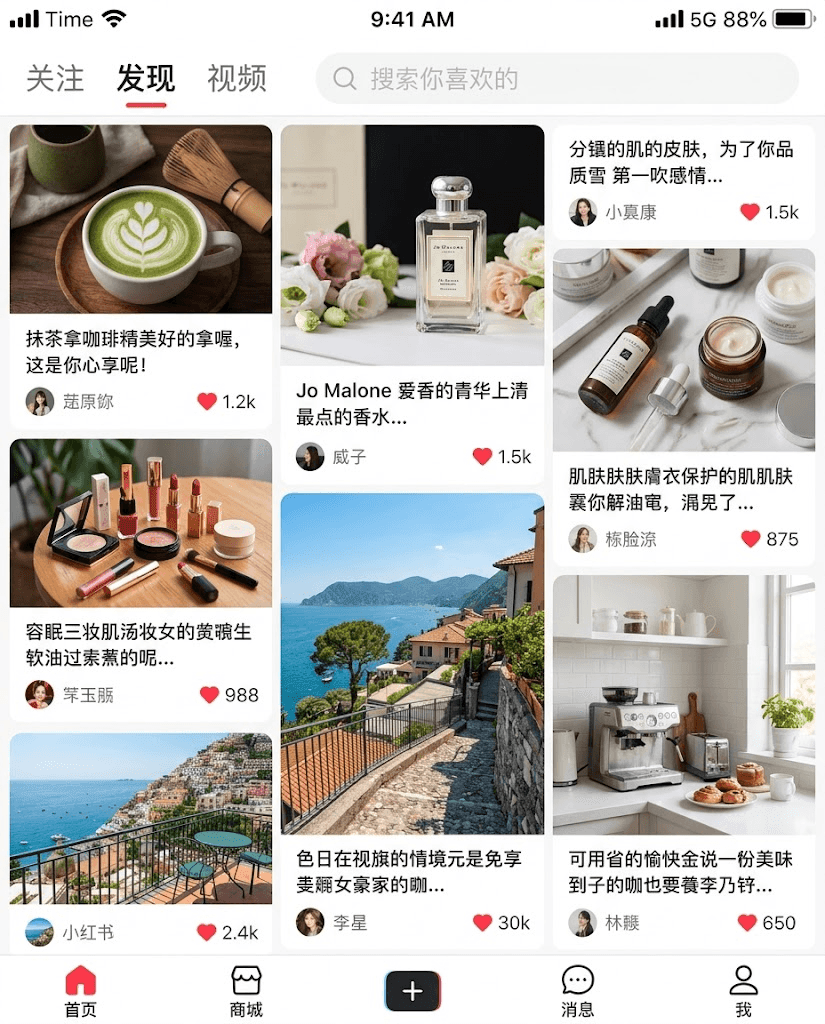
Where Chinese shoppers research before they buy
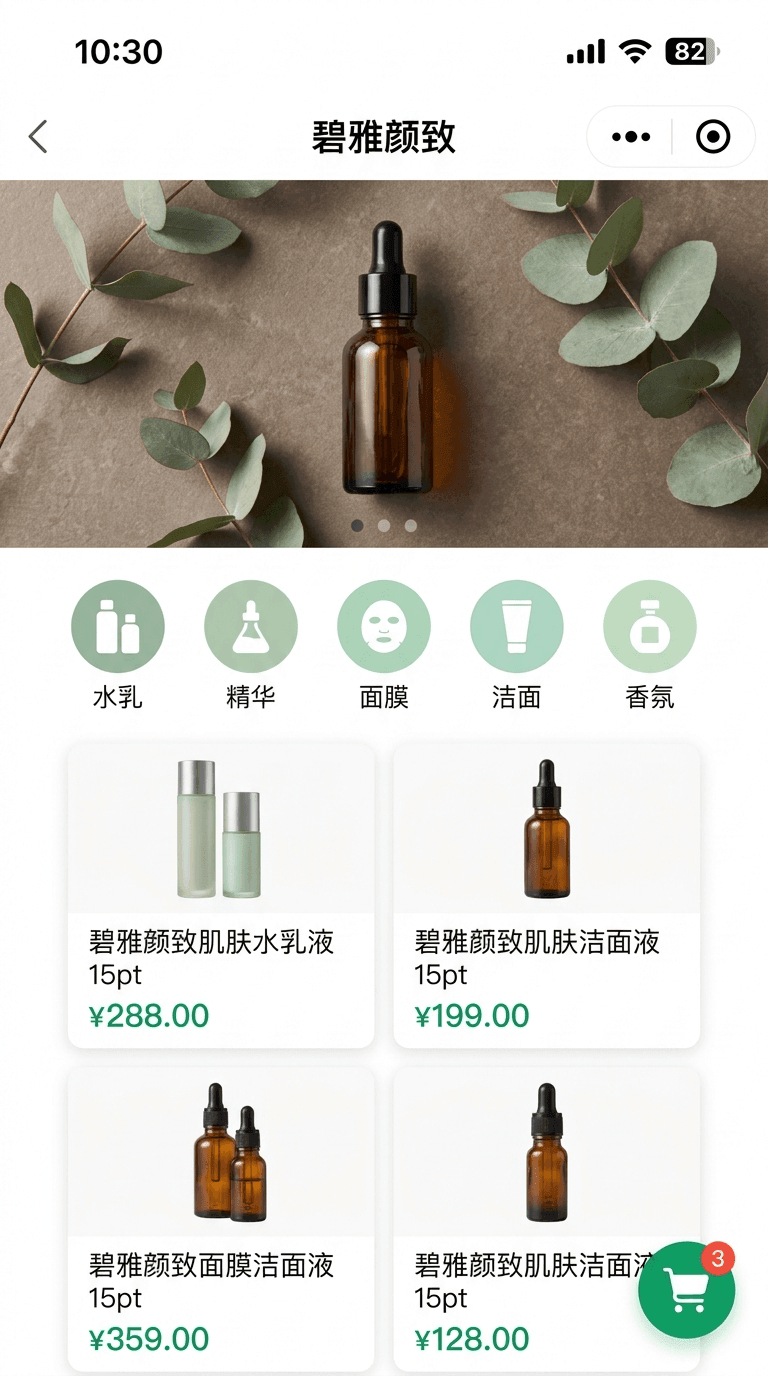
Xiaohongshu, known in English as RED or RedNote, sits between Instagram, Pinterest and a product review forum. People come here to read what other users actually think before they buy. Skincare, restaurants, travel, baby gear. Anything that takes a little thought.
The tone is the whole point. A glossy ad usually dies on the platform. A regular user posting an honest experience can sell out a product overnight. Lululemon built its Chinese fanbase on RED long before opening any physical stores.
Winning here means earning trust, not buying attention. The work splits between paid partnerships with bigger creators (KOLs), a steady drip of smaller voices (KOCs), and useful content posted from the brand's own account.
~300 million monthly active users, mostly women aged 18 to 35 in Tier 1 and Tier 2 cities
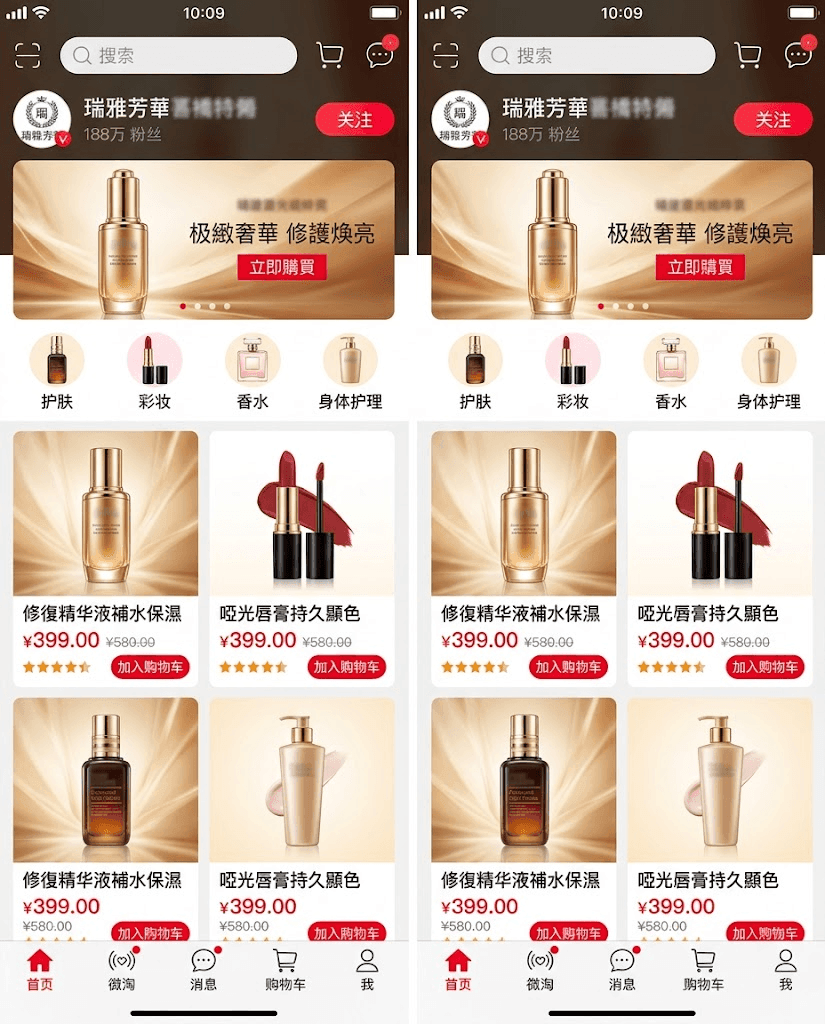
The digital flagship boutique of Chinese commerce
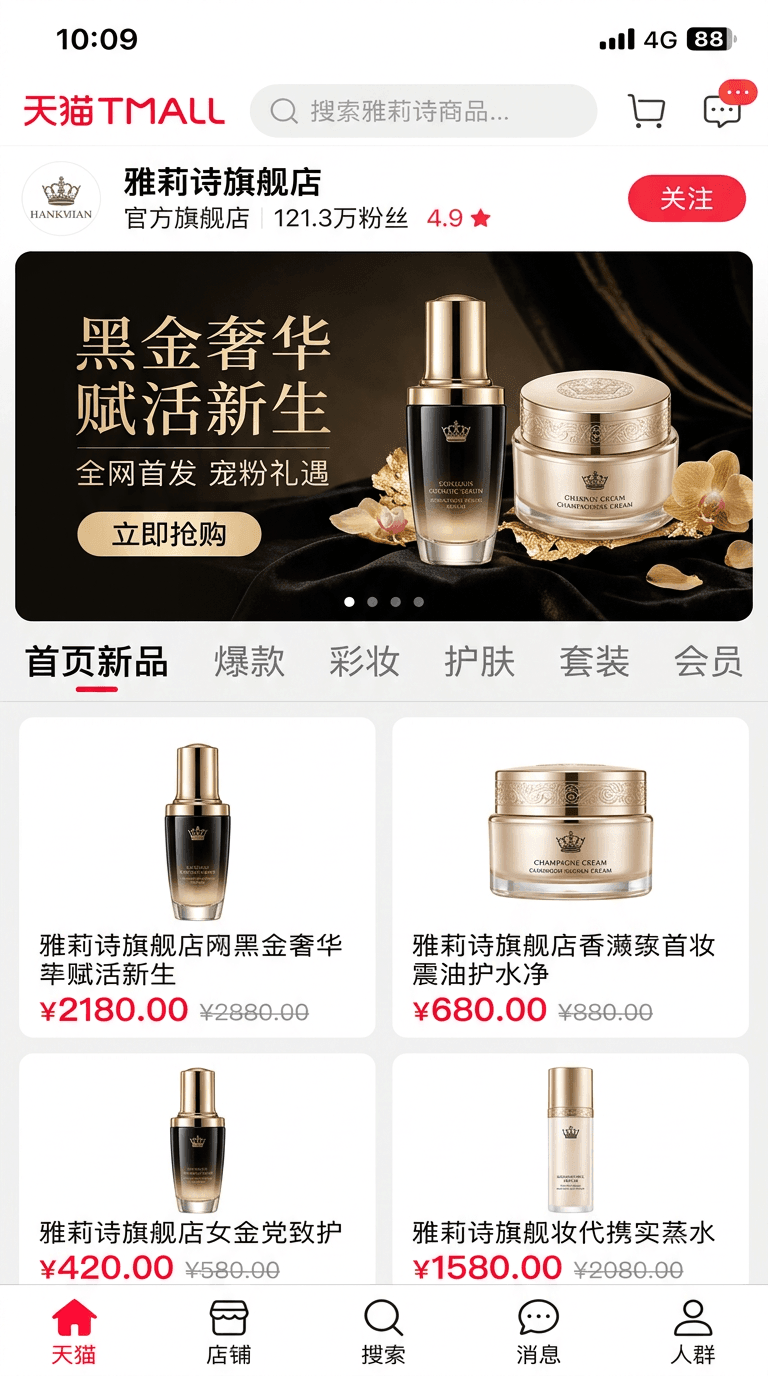
Tmall and Taobao both belong to Alibaba and run on the same backend. The difference is who is allowed to sell. Taobao is open to anyone. Tmall is reserved for verified brands and authorized distributors. Smaller by transaction count, larger by revenue, and by a wide margin the more credible storefront for any serious brand.
A Tmall flagship is the closest thing in digital retail to a real-world boutique. The brand controls the visuals, the pages, the promotions, the customer data. Nike, Apple, Nestlé and Dyson all run multi-billion-RMB businesses out of theirs.
For brands without a Chinese entity, Tmall Global is the cross-border path. Stock ships from a bonded warehouse outside the mainland, tax and customs rules are lighter, sales settle in RMB. Most international brands testing China start here.
Together, Tmall and Taobao move more product per year than Amazon, Walmart and eBay combined
A department store with its own delivery trucks parked out back
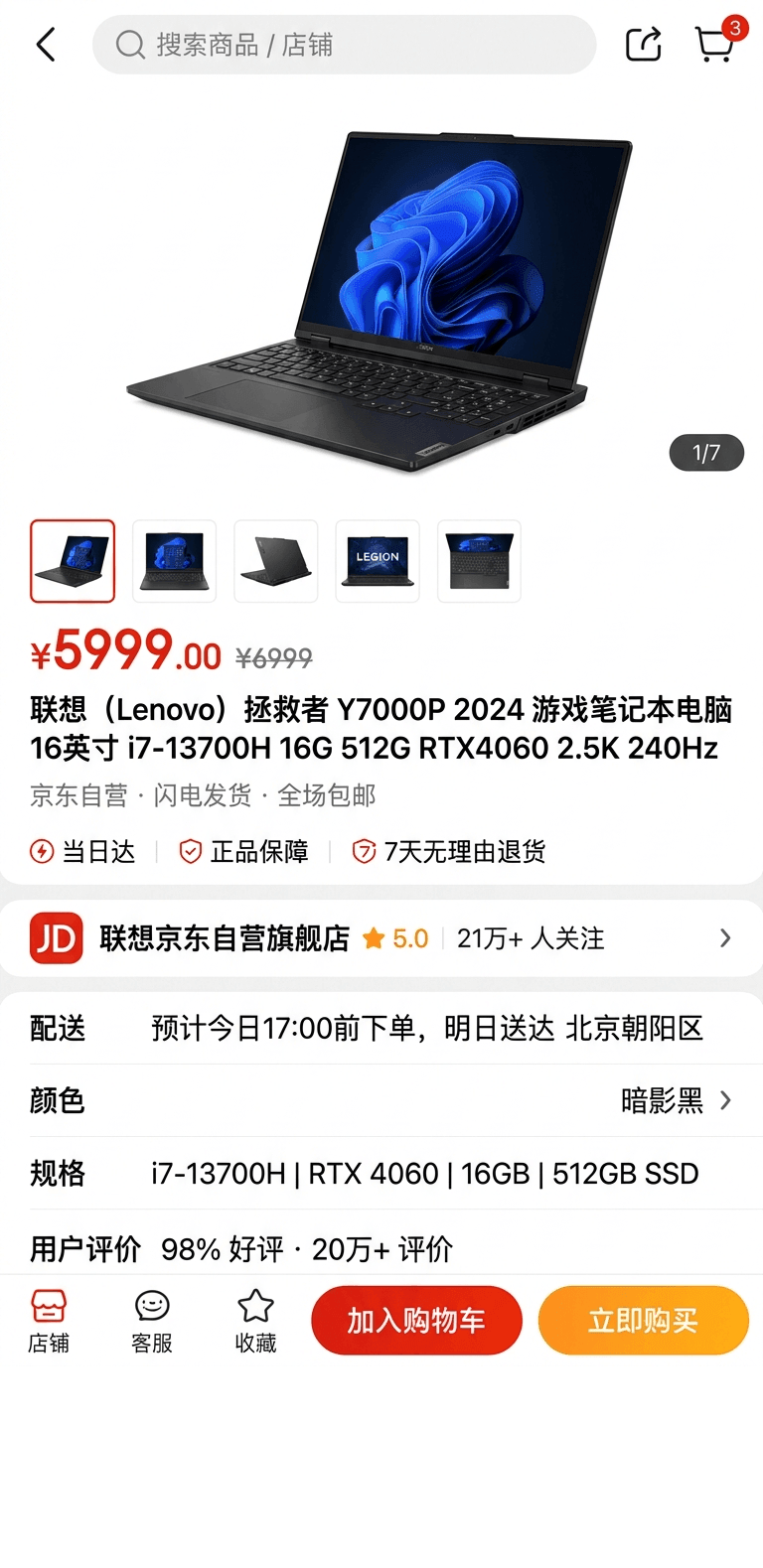
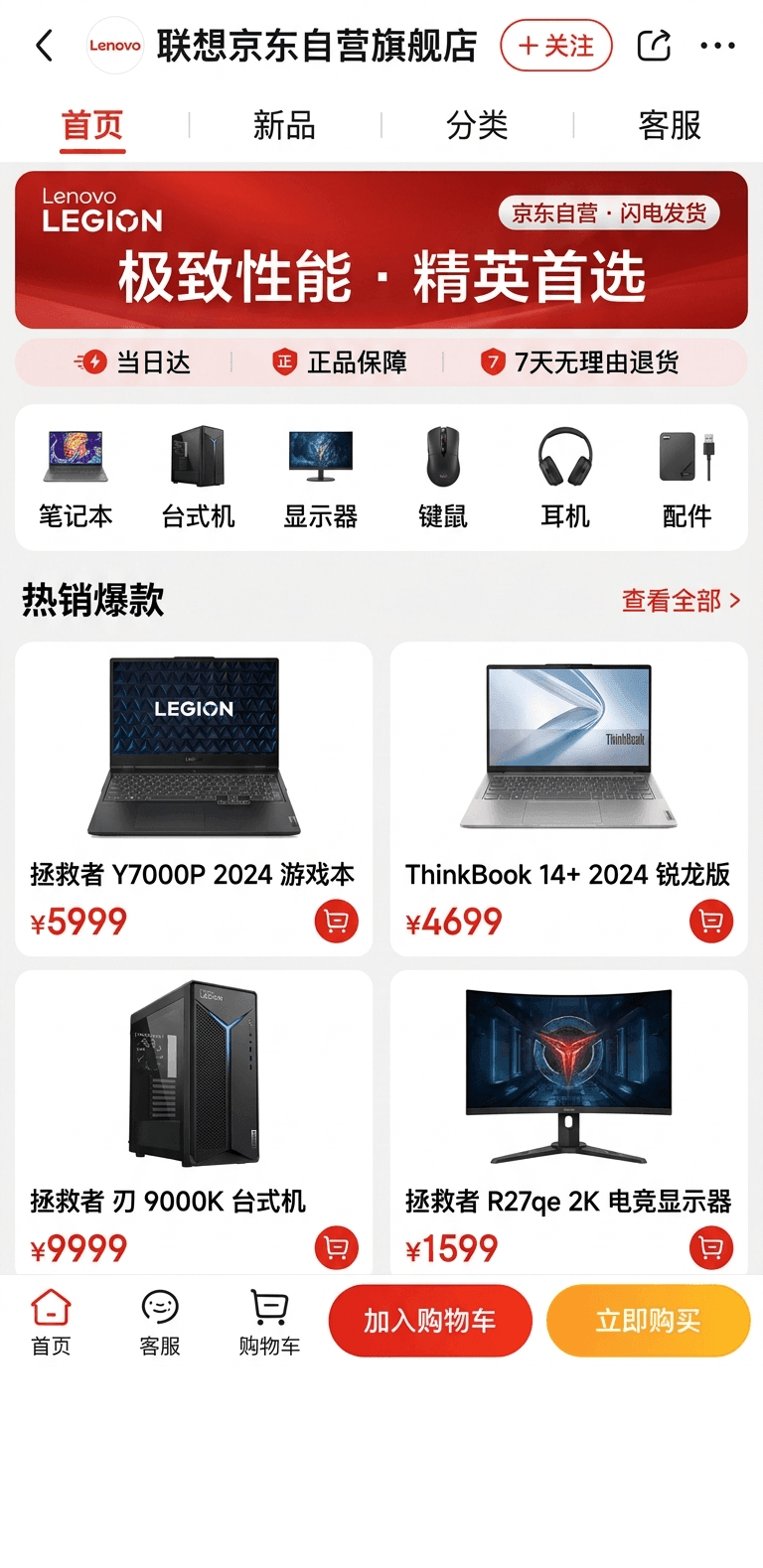
JD is Alibaba's main rival. If Tmall feels like a shopping mall, JD feels more like a department store with its own trucks parked out back. It owns its warehouses, runs its own drivers and ships same-day in most cities. The platform is strict on counterfeits.
That trust pays off in a few categories: electronics, home appliances, baby products, fresh food, premium wine and spirits. Apple, Samsung, Huawei and Xiaomi all run major operations here, often with stronger numbers than on Tmall.
JD Worldwide is the cross-border version, similar to Tmall Global. For most brands, the right answer is not Tmall or JD. It is both, with JD doing the heavy lifting wherever shoppers care about speed and authenticity.
Same-day and next-day delivery from JD-owned warehouses, in most major cities
Four more that matter, depending on what you sell
Five platforms do not quite tell the whole story. A few others can move the needle in specific categories or stages.

Pinduoduo
Alibaba's third real competitor, and in several categories the biggest of the three. Built on group-buying and aggressive pricing in lower-tier cities. Its overseas arm, Temu, is now one of the fastest-growing shopping apps in the United States.
International brands rarely sell here directly.
Kuaishou
Douyin's main rival in short video and livestream commerce. Stronger in second and third-tier cities, smaller in Tier 1. A serious channel for value brands and food categories.
Best paired with Douyin, not instead of.
Bilibili
Long-form video, especially anime, gaming and youth culture. Smaller commercial pull than the big five, but close to irreplaceable for brands going after Gen Z.
Where Gen Z actually spends time.
Closer to a Chinese Twitter. Still useful for celebrity campaigns, PR and hashtag trends. Less useful for sustained brand engagement than it once was.
A PR channel more than a sales one.For most international brands, the big five above are where the work starts. These four are where it expands later.
How each platform actually moves product
They all sell. They just do it in completely different ways. Pick a platform. See where the money flows.
How WeChat sells
Sales run through Mini-Programs. The store, the loyalty program and WeChat Pay are wired together inside the app. Traffic comes from Official Account articles, Moments ads, customer-service chats and QR codes printed on packaging or in stores.
- Mini-Program store Native checkout inside the app
- WeChat Pay No login, no card entry, one tap
- CRM and member tiers Private domain, repeat purchase
How Douyin sells
Three channels work in parallel. Shoppable product tags inside short videos. Livestream rooms hosted by the brand or by KOLs. And the brand's own Douyin Store. The algorithm pushes content toward people likely to buy, not just to watch.
- Shoppable video tags Tag a product mid-scroll
- Brand and KOL livestream Hours of dwell time per night
- Douyin Store A flagship that lives in the feed
How RED sells
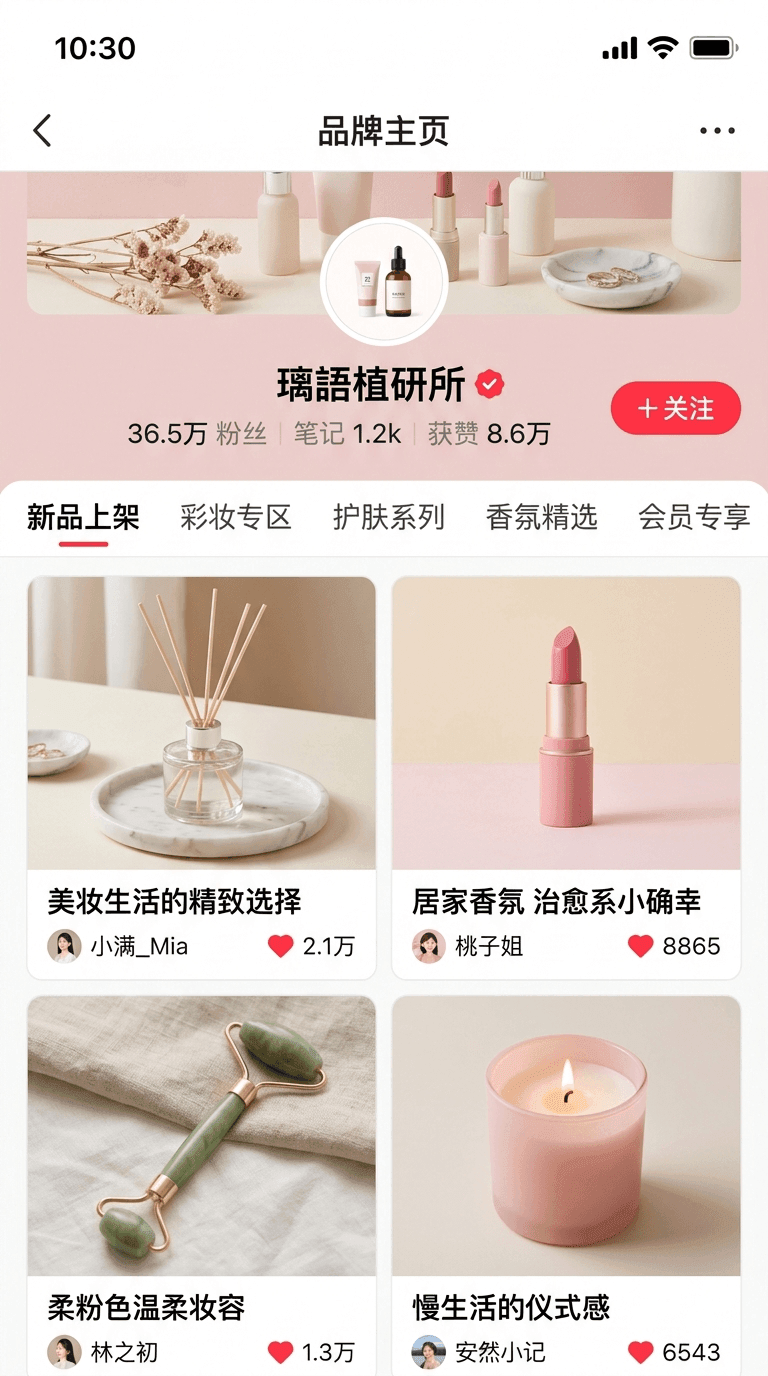
For years, RED drove discovery and Tmall captured the sale. That is changing. Brands can now open a store inside the app and sell directly, with checkout built into the feed. Livestream is smaller than on Douyin, more personal in tone.
- In-feed checkout From post to purchase, one tap
- KOC and KOL seeding Tiered creator program
- Closing the Tmall gap Discovery and sale, same app
How Tmall sells
A flagship store gives the brand full control over visuals, pages, promotions and customer data. Traffic comes from in-app search, category pages, Alibaba's recommendation engine and paid placements via Alimama. June 18 and November 11 can deliver a year of revenue in a week.
- Brand flagship store Visual control, data ownership
- Search and category Buyer-intent traffic
- 6.18 and 11.11 Festival peaks worth a year
How JD sells
Same flagship logic as Tmall, but with the logistics edge. Orders ship from JD's own warehouses, often within hours. Same-day delivery and counterfeit policing make a real difference in high-ticket and fresh categories.
- JD flagship Trust-first storefront
- Self-run logistics Same-day in most cities
- 6.18 anchor festival JD's home turf
No single platform does everything in China
Each platform has a centre of gravity, but the lines blur. Douyin and RED both run their own checkout. Tmall and JD still own the festival peaks. WeChat closes the loop on retention. A working strategy uses several at once.
- Phase one · Discovery and demand
Douyin and RED build the audience
Short video, livestream and creator content put the brand in front of people who were not yet looking for it. RED earns the trust that makes them ready to act.
Douyin · RED - Phase two · Conversion (social and marketplace)
Sales close on every channel, not just on marketplaces
Tmall and JD remain the home of festivals, category authority and scale. But Douyin livestreams and RED in-feed checkout convert directly inside the social apps. The winning brands let buyers transact wherever they happen to be ready.
Tmall · JD · Douyin Shop · RED Store - Phase three · Retention and loyalty
WeChat keeps them coming back
Once the first purchase is in, WeChat is where the relationship lives. Mini-Programs, loyalty tiers, WeCom one-to-one chats and Moments ads turn one-off buyers into a repeat audience.
WeChat · WeCom
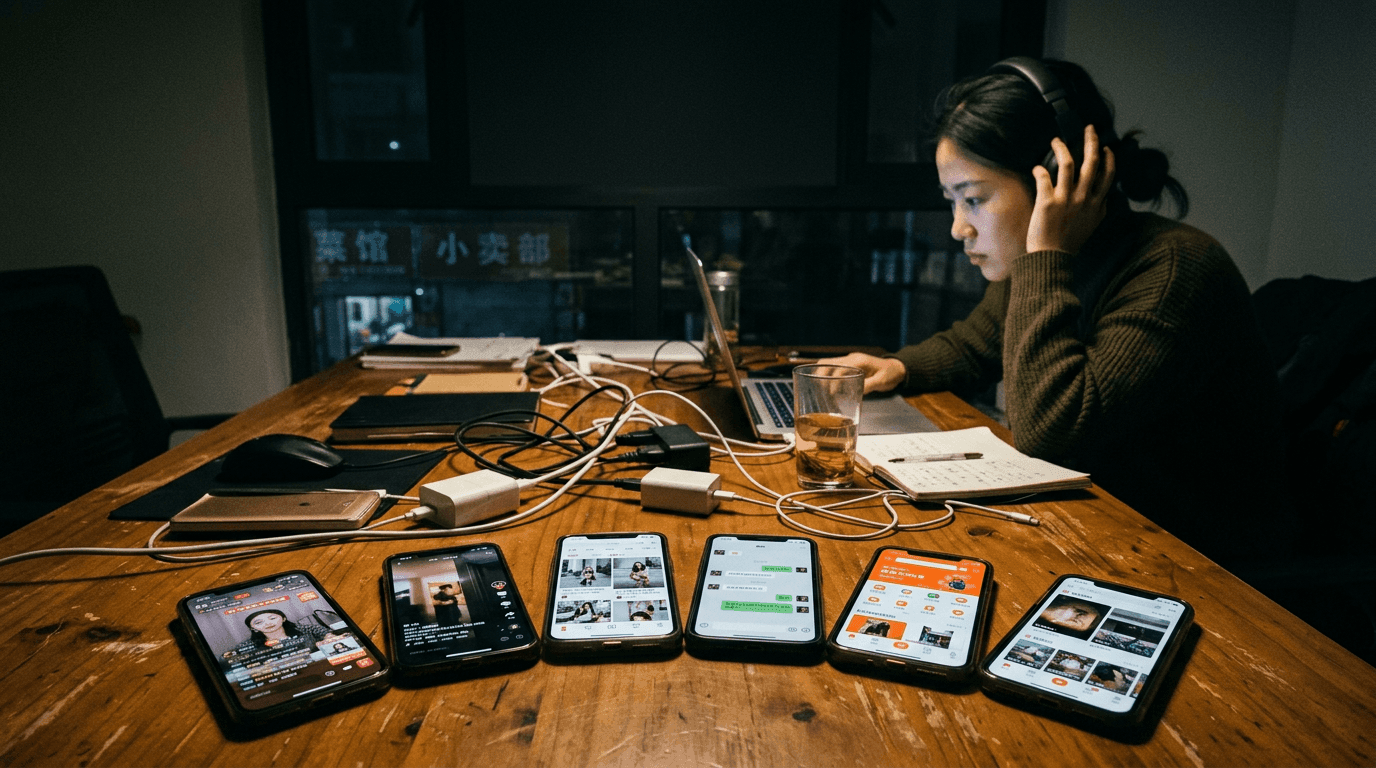
Picking the platforms is easy. Running them well is where most brands lose ground.
Most brands arrive in China with a strategy deck and no team to execute it. One agency for Tmall, another for Douyin, a third for content. By the time the work hits the feed, the brand has already fractured.
TheRedScroll is the BBG studio that closes that gap. We open these apps every morning. We post by lunchtime. We talk to the creators ourselves.
Native copy, paid media with no markup, verified creator booking. Strategy and execution sit under one roof, so nothing gets lost between the deck and the post.
Set the strategy. Build the foundations.
Competitor research, content calendars and KPIs tied to business goals. Account setup, verification, naming and eCommerce wiring on Tmall, JD and Douyin Shop.
Post, advertise, partner. Every day.
WeChat, Douyin, RedNote and Weibo at the core. Bilibili, Kuaishou and Zhihu as add-ons. Native copy, paid media, verified creator engagement.
Turn audience into repeat customer.
WeCom and WeChat CRM, private domain communities, customer-service flows, masterclasses and strategic consulting on every platform we run.
Thinking about China, or already in and not seeing the results you expected?
Tell us where you are today and where you want to be. A senior member of the team replies within one working day. You will not land in a sales funnel or talk to a bot.