

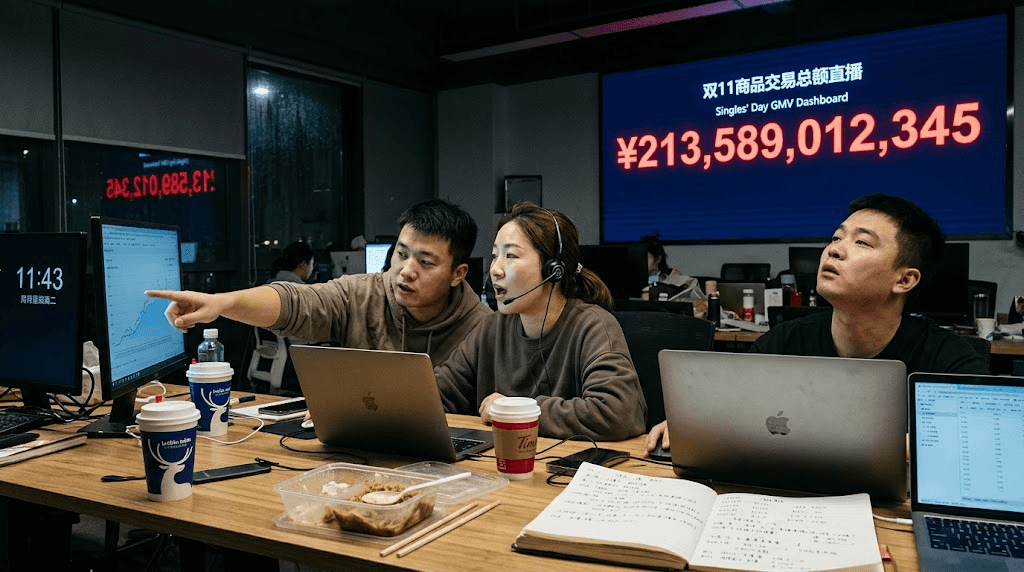
Selling in China runs on campaigns. Miss them, and you miss the year.
In China, sales come in waves, tied to dates the whole country shops around. Brands that plan for those waves grow. Brands that don’t tend to flatline. We build the campaign, run it across every channel it needs, and stay on the floor with you when it goes live.
What a campaign is, and why it matters
A campaign is a coordinated push around a single moment. Usually a shopping festival like 618 or Singles Day, sometimes a product launch or a brand anniversary.
What it isn’t: one banner on your store page. It’s a sequence that runs for weeks. A warm-up before the date, the peak event, a close-out after, with pricing, content, livestream, KOL seeding, customer service, and stock all aimed at the same few days.
And a big China campaign is a brand campaign in its own right. The budget is often just as large as a brand campaign’s, and the payoff isn’t only the quarter’s sales numbers; it’s brand-building too.
Here’s the thing brands miss. Chinese shoppers wait for festivals. They fill their carts for weeks, then buy everything at once when the discounts open. The platforms feed this behavior: during festival periods, Tmall, JD, and Douyin steer traffic and search ranking toward brands that are running official campaign mechanics. Sit out 618 and Singles Day and you’ve handed the two biggest sales windows of the year, and your ranking, to whoever did show up.
There’s a bigger prize on top of that. If a platform picks your campaign as one of its festival standouts, it puts its own advertising weight behind you. Feature placement, homepage traffic, the kind of reach you simply can’t buy directly.
For most of the brands we run, the festival periods are where a large chunk of the annual number comes from. The quiet months pay the rent. The campaigns are the year.
A campaign is never just the eCommerce platform
This is the part most brands underestimate. Yes, the sale closes on Tmall, JD, or Douyin. But the campaign that drives it lives almost everywhere else, and it’s nearly always multi-channel. A typical campaign is working on several fronts at the same time.
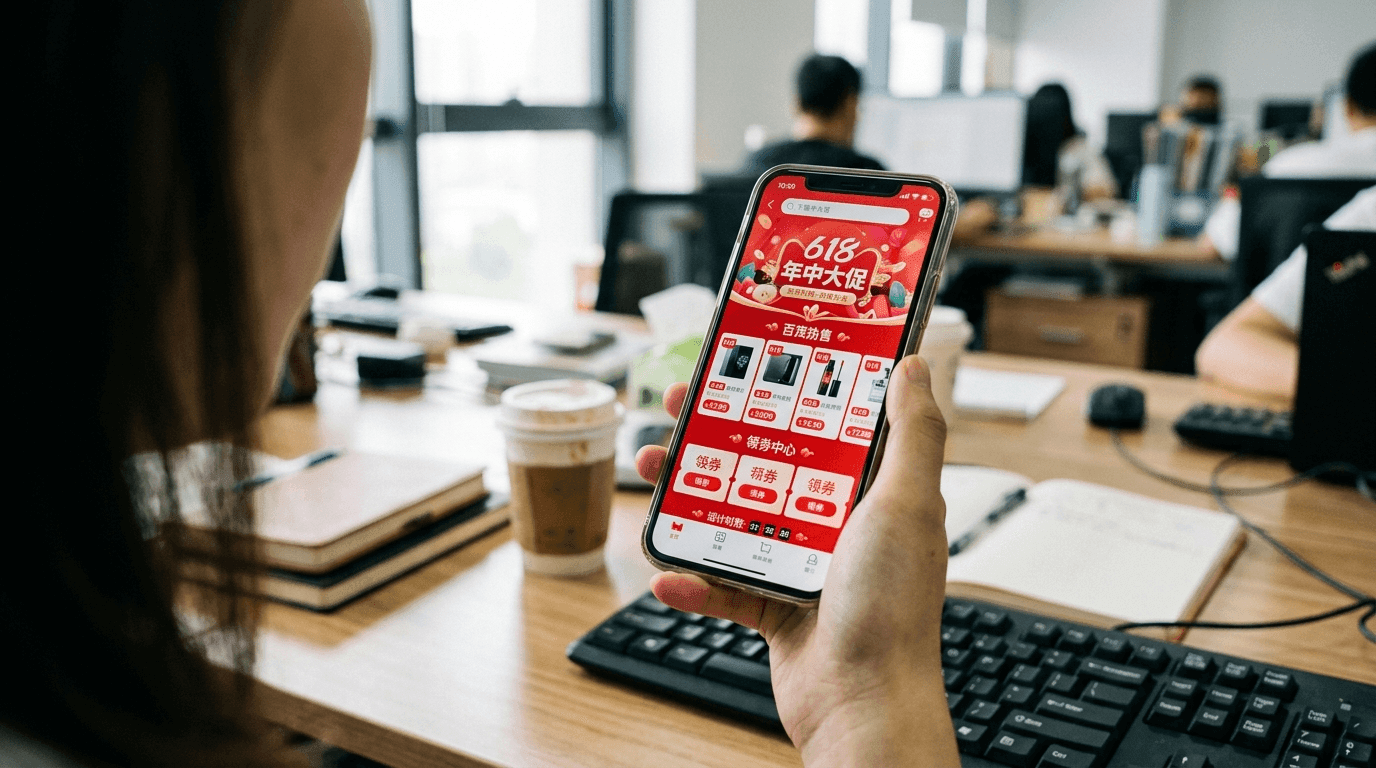
The eCommerce platform
Store decoration, pricing, coupons, the official festival mechanics, paid traffic (Zhitongche, Wanxiangtai).
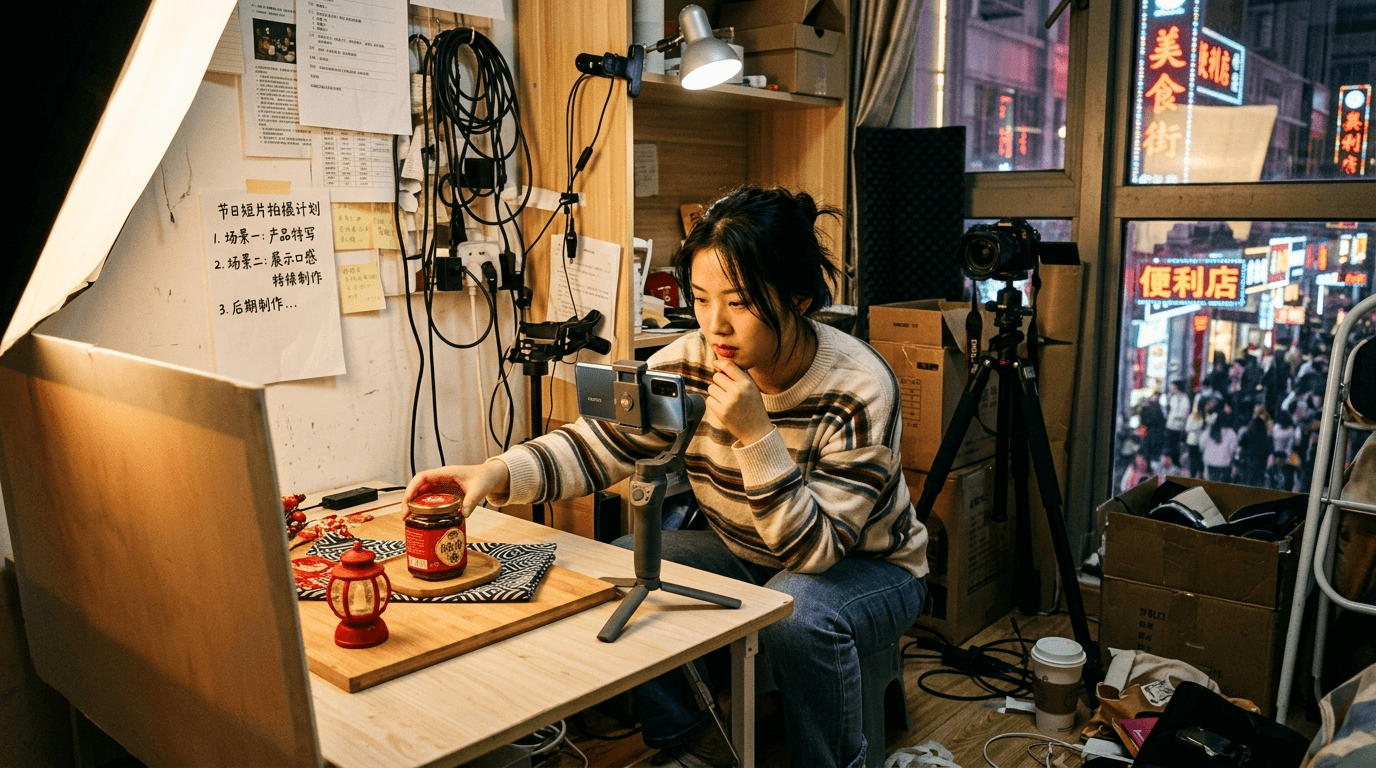
Content and social
Xiaohongshu, Douyin, WeChat seeding interest in the weeks before the date. Plus the photo and video production that feeds them.
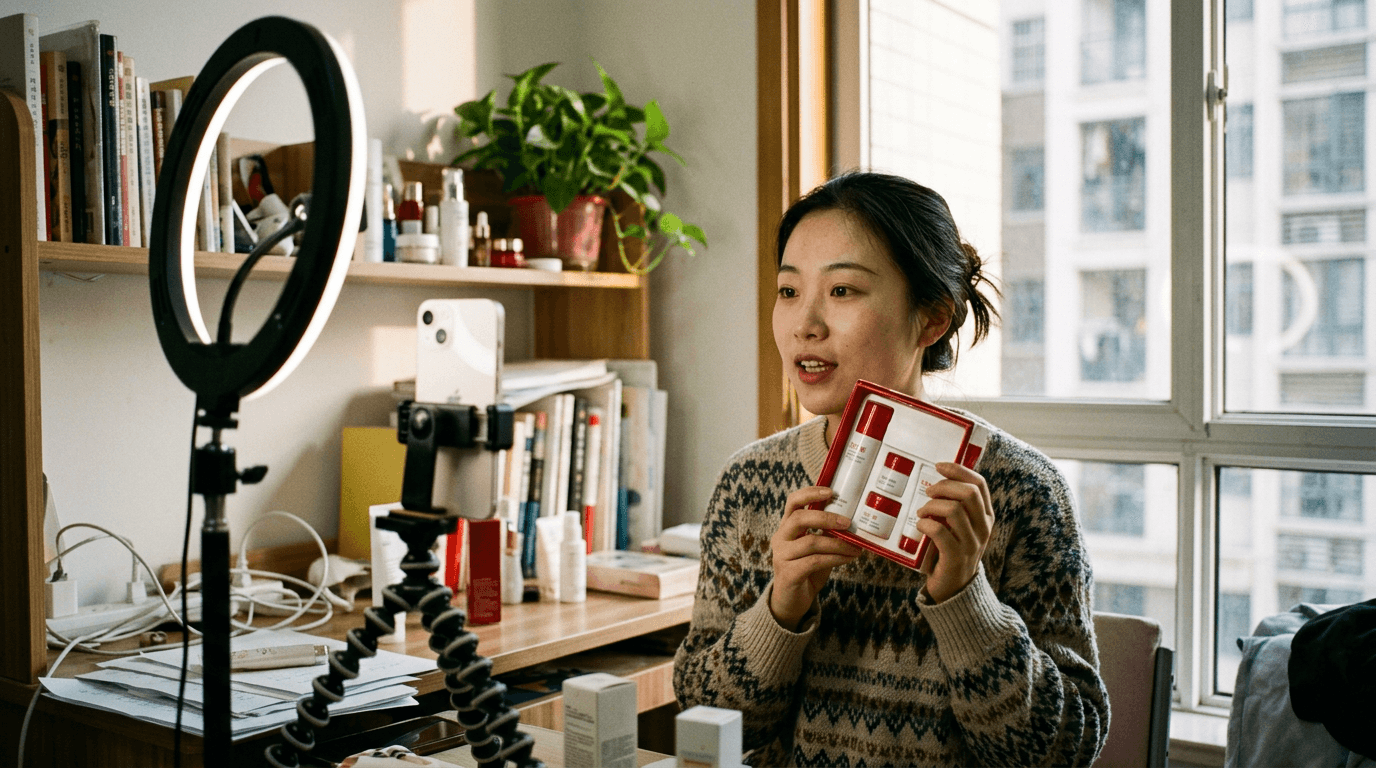
KOL and KOC
Influencers and everyday reviewers building proof and demand ahead of the peak.
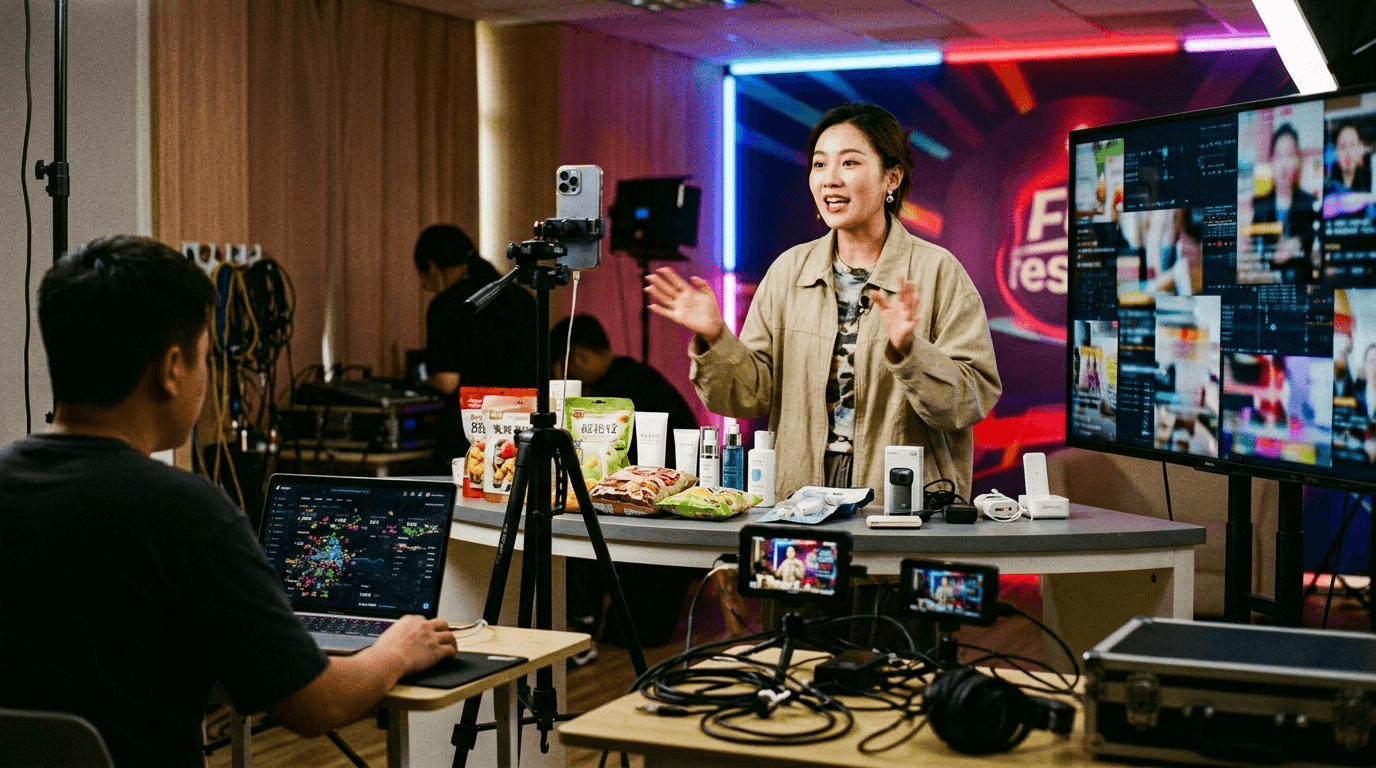
Livestream
Your own brand room, or a host’s room. Often the single biggest sales driver on the day itself.
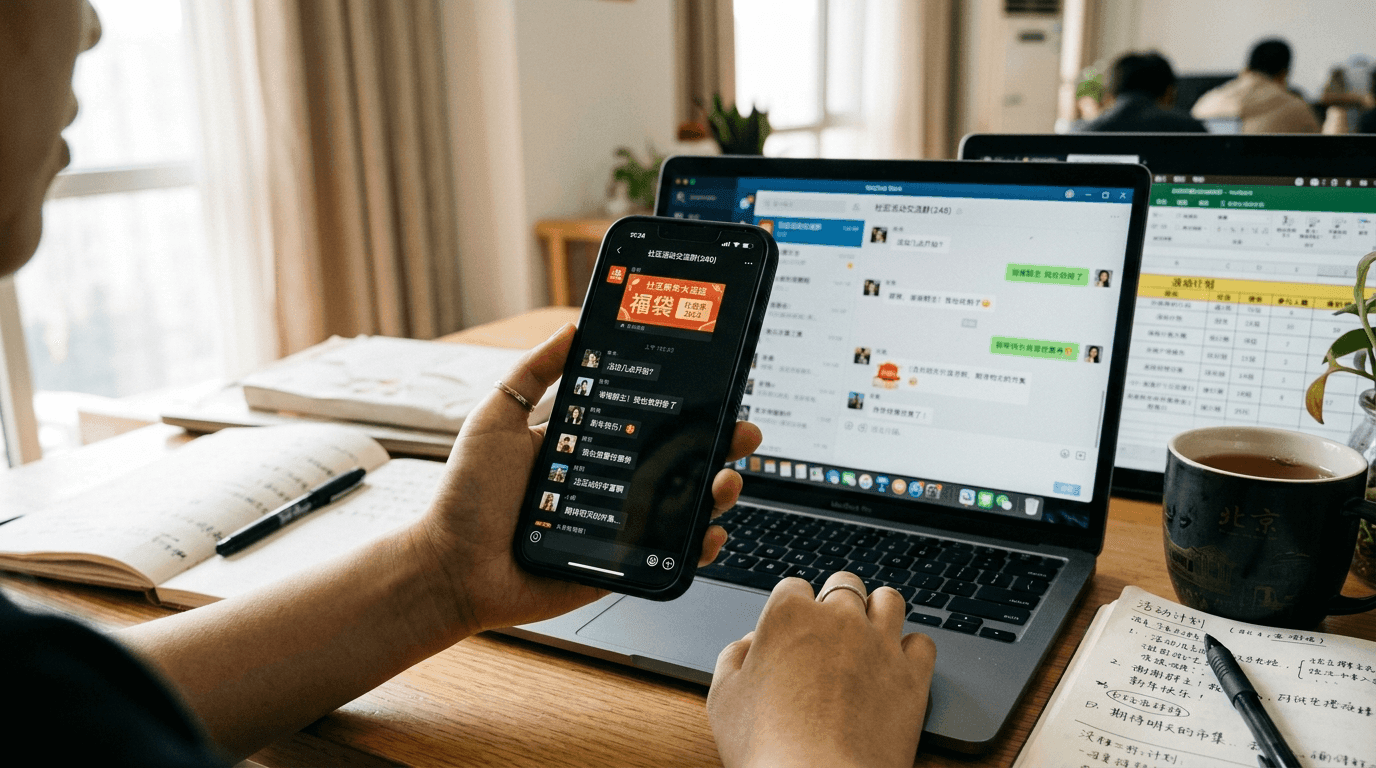
Private traffic
WeChat groups and your member base. People you can reach directly, at no media cost.
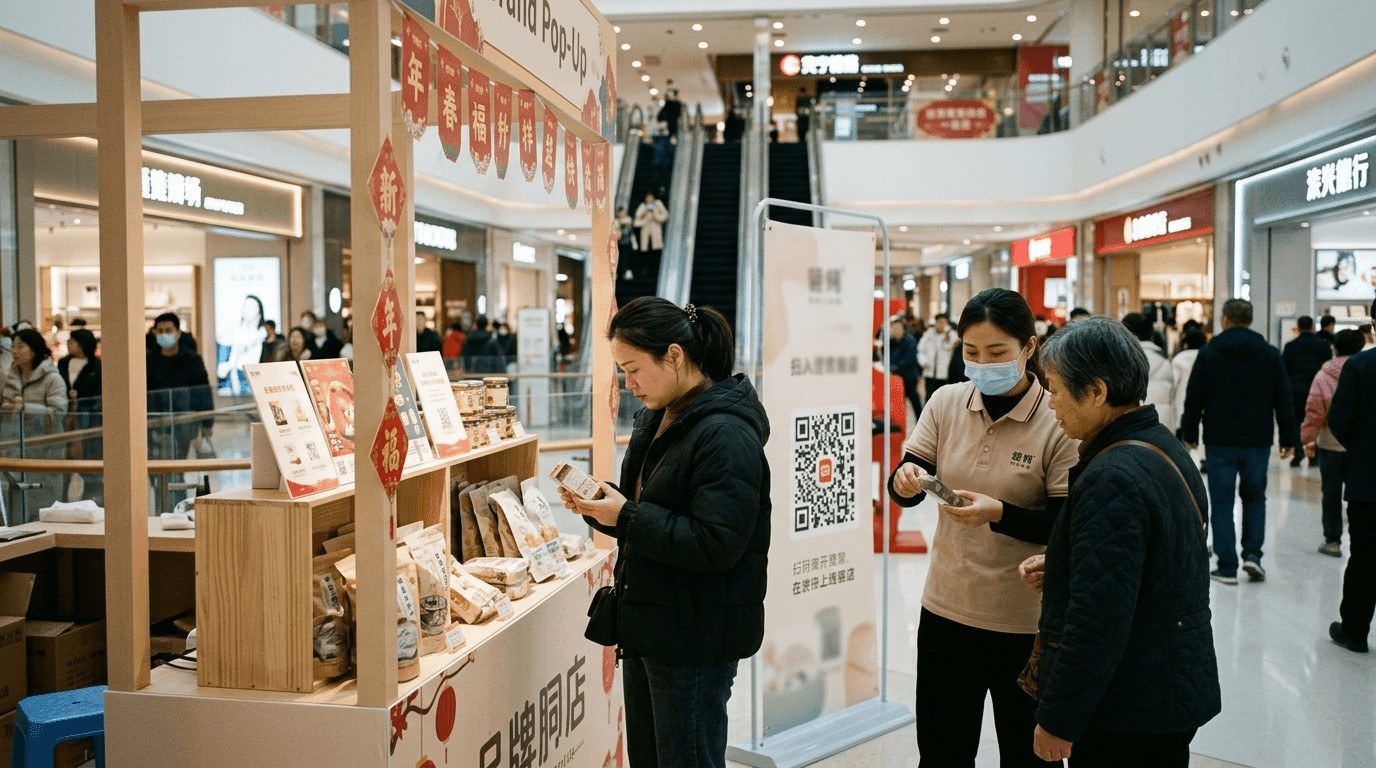
Offline, when it fits
A pop-up, a retail tie-in, an event. For some categories an offline moment is what makes the whole online campaign believable.
None of these is hard to run on its own. The hard part, and the part that decides the result, is making them fire in the right order, all pointing at the same date.
How we run a campaign
The backbone is the same every time. The details change, the spine doesn’t.
-
Pick the moment
Not every brand should chase every festival, and we’ll say so early if a date isn’t worth it for you. We pick the ones worth fighting for, based on your category, your stock, and your margins.
-
Build the creative angle
A big China campaign is a brand campaign, not just a discount. It needs an idea, a hero product, a look. This is the step brands most often skip, and it’s the one that earns attention before the campaign ever earns a sale.
-
Run the warm-up
Four to six weeks out, the content and KOL seeding starts. Carts fill up. Search interest builds. It’s the work nobody sees, and it’s usually what decides the result.
-
Run the peak
The event window itself. Livestream, live traffic and pricing, customer service at full tilt. We’re on it hour by hour, because the day moves fast and small adjustments matter.
-
Close and read
Wind-down offers, then an honest review of what the campaign actually returned and what we’d change next time.
We don’t hand you a deck and walk away. We run it with you. That’s the difference.
What it costs, and what you need to know going in
There’s no single number for a China campaign, and anyone who hands you one before asking about your category is guessing. The budget splits into a few parts: the fee to plan and run it, media (usually the largest line, paid traffic plus amplification on Xiaohongshu and Douyin), KOL and livestream fees, content production, and the stock and discount margin that decides whether the whole thing turns a profit.
One honest word of caution. Festivals are hard on margin, and not every brand should chase every date. A campaign that wins GMV but loses money isn’t a win. We’d rather tell you to sit a festival out than run one that hurts you. That judgment is part of what you’re paying for.
Tell us the date you’re eyeing. We’ll come back with a real number, not a vague range.
The China eCommerce campaign calendar
So which dates should you actually plan for? These are the ones the Chinese market shops around. Not all of them are yours to chase. But every brand selling in China should plan against this calendar a year out, because the prep starts long before the date.
| Date | Event | Start prep | What it is | Who it suits |
|---|---|---|---|---|
| Jan / Feb | Chinese New Year | 8 to 10 weeks out | The biggest cultural moment of the year. Gifting, red packaging, family. Sales slow during the holiday itself, but the run-up is strong. | Gifting categories, food, beauty, premium |
| March 8 | Women’s Day / Queen’s Day | 6 weeks out | A female-focused shopping moment, strong for beauty and fashion. | Beauty, fashion, jewelry, wellness |
| April / May | Labor Day (May 1) | 6 weeks out | A travel and lifestyle peak, and a useful mid-spring push. | Travel, outdoor, lifestyle, FMCG |
| May to June 18 | 618 Festival | 10 to 12 weeks out | The second-biggest festival of the year. Launched by JD, now run across all platforms. Pre-sales open in mid-May. | Every brand selling in China |
| June 19 (2026) | Dragon Boat Festival | 5 weeks out | A cultural moment built around gifting and traditional food. | Food, gifting, heritage-led brands |
| August 8 | 8.8 / 88VIP Members Festival | 6 weeks out | A Tmall Global moment focused on international brands and member loyalty. | Cross-border brands, brands with a member base |
| August 19 (2026) | Qixi Festival | 5 to 6 weeks out | Chinese Valentine’s Day. Romantic gifting. | Beauty, jewelry, fashion, gifting |
| Sept / Oct | Mid-Autumn & Golden Week | 6 to 8 weeks out | Gifting plus a long national holiday, with a travel and spending spike. | Food, gifting, travel, lifestyle |
| Late Oct to Nov 11 | Singles Day (Double 11) | 12 to 14 weeks out | The largest online shopping event in the world. Now a multi-week event that starts in late October. The campaign of the year. | Every brand selling in China |
| December 12 | Double 12 / Year-End | 5 weeks out | The final push of the year. Strong for smaller brands and inventory clearance. | Smaller brands, clearance, late entrants |
How to read this calendar. You don’t run all ten. A focused brand picks two or three to win properly and treats the rest as light-touch. 618 and Singles Day are the non-negotiables. The rest depends on your category. And look at the prep column: if a festival is less than its lead time away, you’re already behind, so plan the next one.
Is this you?
A campaign program makes sense if you’re already selling in China, on Tmall, Tmall Global, JD, or Douyin, and your festival periods aren’t pulling the weight they should be. It also makes sense if you’re about to launch and you want your first festival to actually land, instead of watching it go by.
It’s probably not for you yet if your store is brand new with no traffic history behind it, or if your margins simply can’t take a festival discount. No shame in that. It just means the groundwork comes first, and the campaign comes after. Talk to us about that part instead, we’d rather start you in the right place.
Ready to win China’s shopping festivals?
We’ve run festival campaigns for international brands across beauty, skincare, food, and consumer goods. We know which dates are worth your money, and which ones to skip. We know how to build the warm-up that actually moves the result, and we know what the peak feels like when it’s live and the numbers are coming in by the hour.
We consult on the plan, and we run what we recommend.