
Understanding the Chinese Search Engine Market
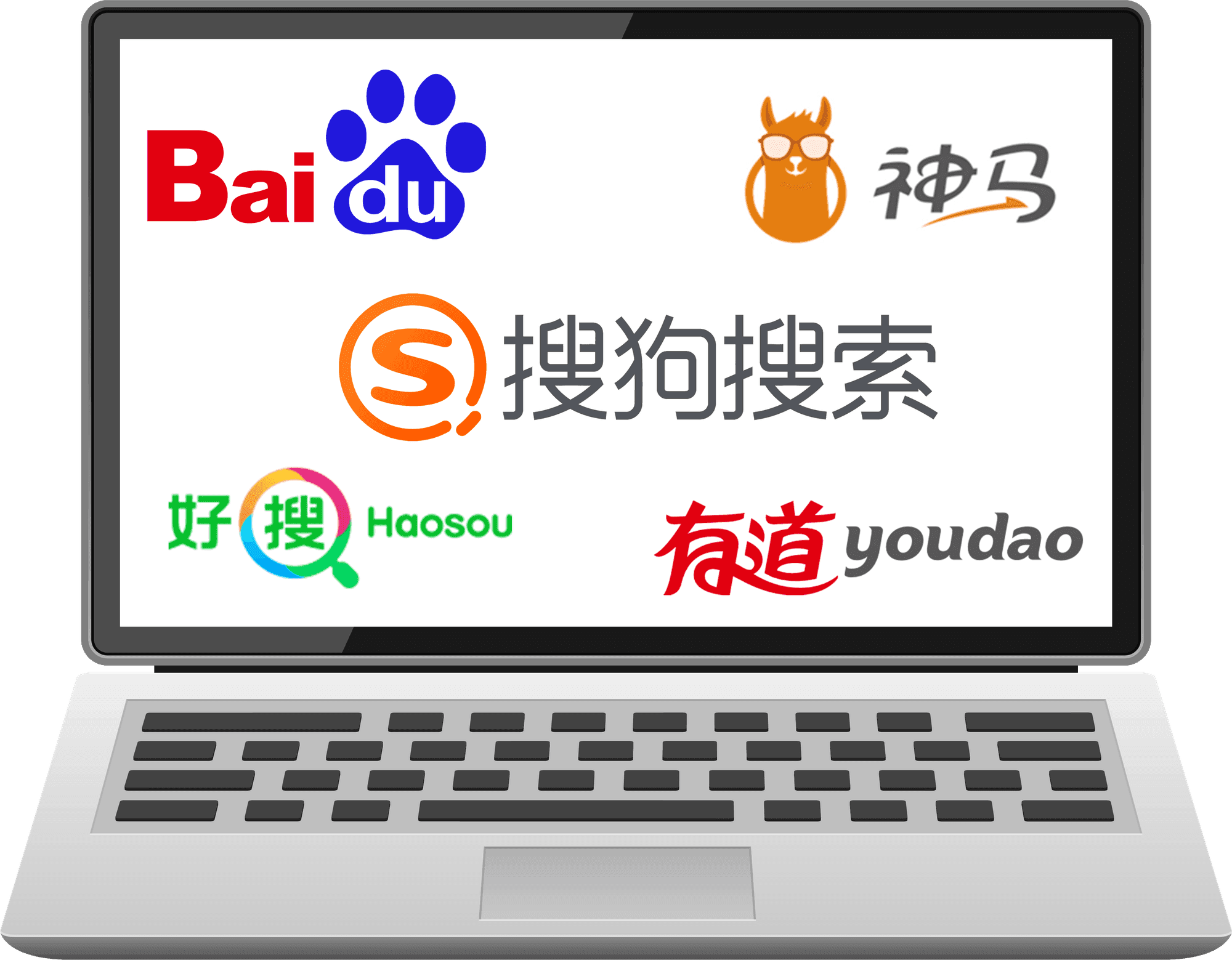
The Chinese internet landscape is unique due to government regulations, including the Great Firewall, which blocks access to many international websites and search engines. This has given rise to several domestic search engines that cater specifically to Chinese users. As of 2024, the primary search engines in China include Baidu, Sogou, Shenma, and Haosuo, each with its own strengths and user demographics.
Importance of Chinese Search Engines in Marketing
Search engines in China play a central role in digital marketing. They not only influence search engine optimization (SEO) strategies but also affect advertising campaigns and consumer behavior. Knowing which search engines to prioritize can significantly impact a marketer’s success in reaching Chinese consumers.
Top Chinese Search Engines for 2024
1. Baidu: The Dominant Player
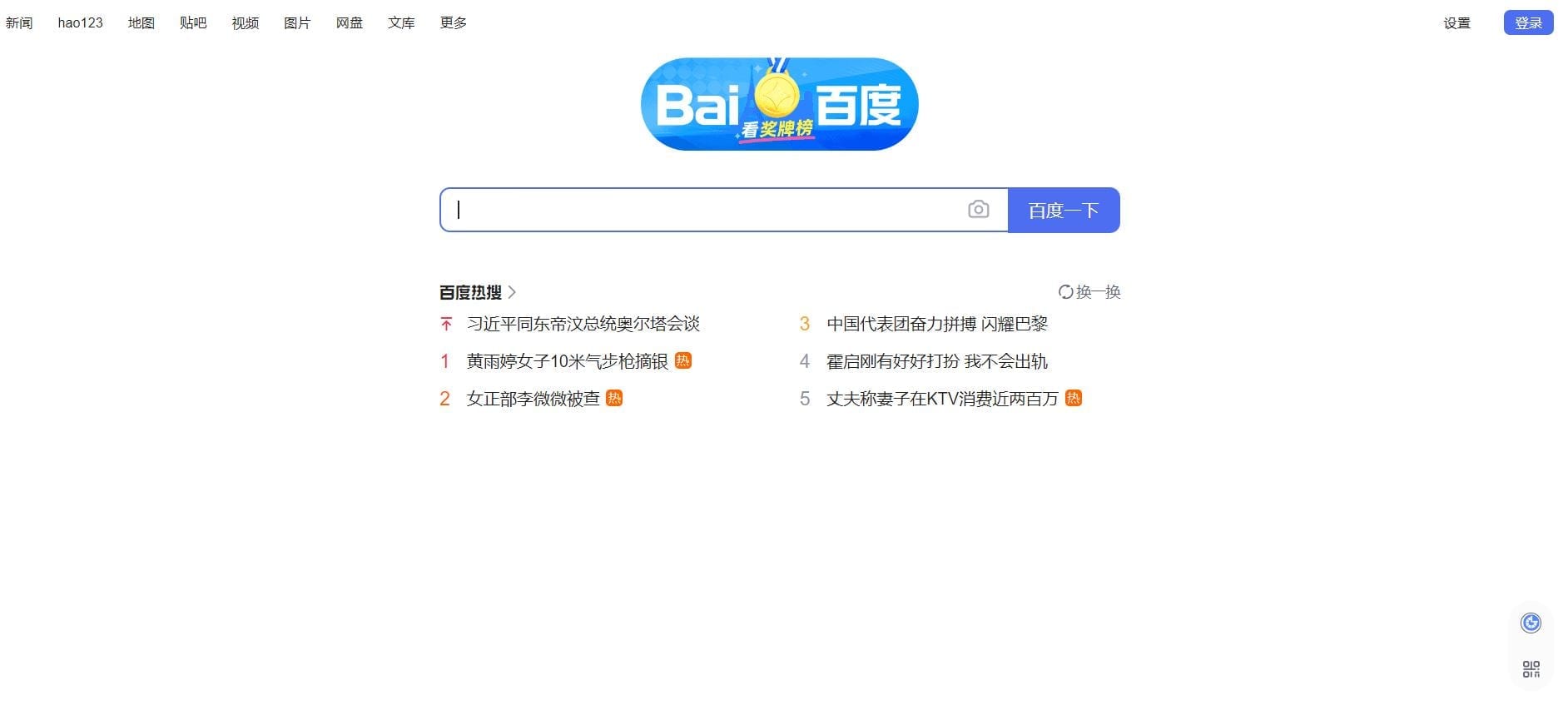
Baidu is often referred to as China’s Google. With over 50% of the search engine market share in China, it is the go-to platform for most Chinese internet users. Founded in 2000, Baidu has grown beyond search, offering a wide array of services including AI and various internet-related products.
Marketing on Baidu
For marketers, Baidu presents a significant opportunity. However, succeeding on Baidu requires understanding its unique SEO practices. Unlike Google, Baidu still relies heavily on meta keywords and places significant emphasis on simplified Chinese content. Websites hosted on Chinese servers with an Internet Content Provider (ICP) license are preferred in rankings. Additionally, Baidu’s search algorithms favor HTTPS, fast loading speeds, and high-quality content.
2. Sogou: The Search Dog
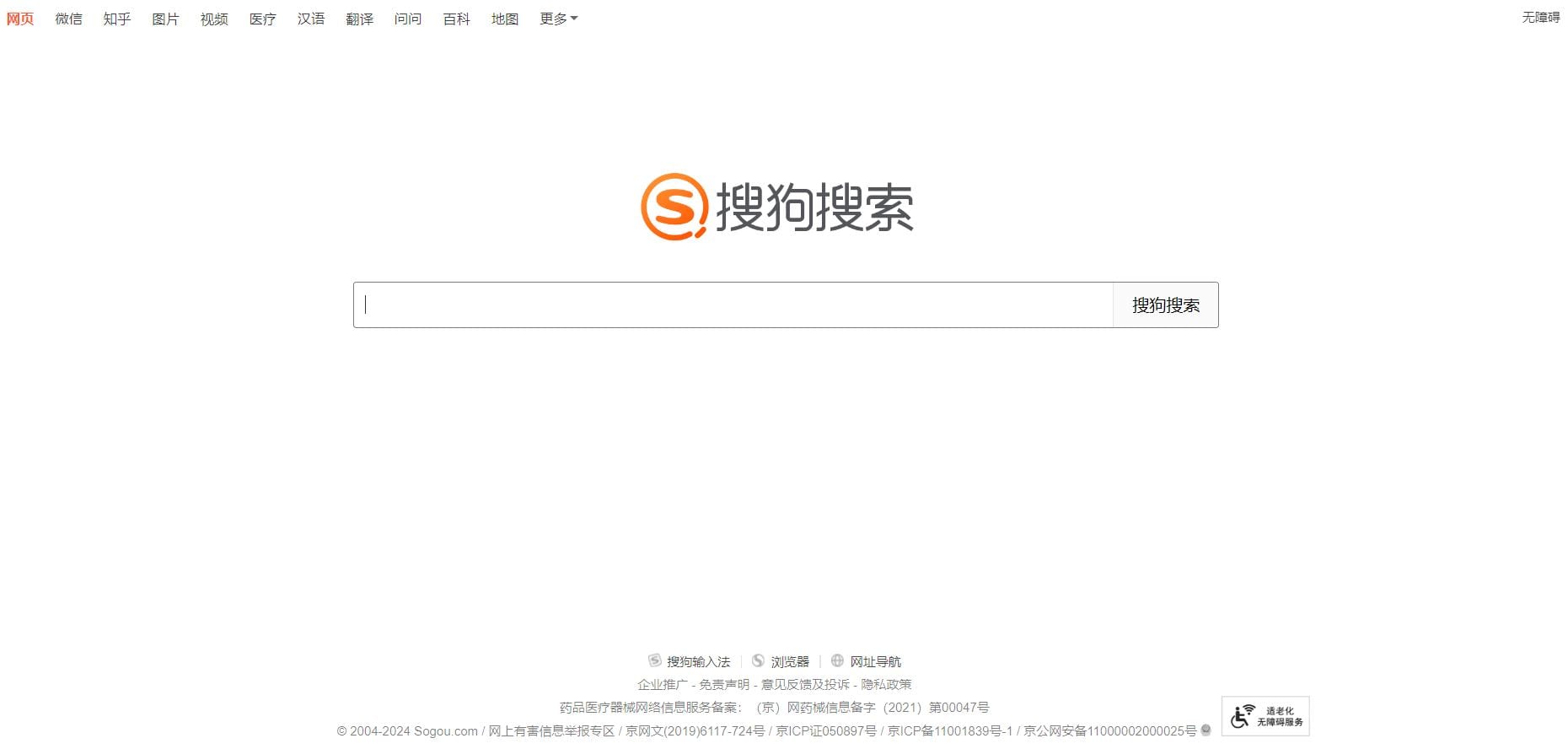
Sogou, launched in 2004, is the second-largest search engine in China. In 2021, it became a subsidiary of Tencent, a major player in the Chinese tech industry. Sogou is deeply integrated with Tencent’s popular apps like WeChat and QQ, making it a valuable tool for reaching a broad audience.
Marketing on Sogou
Sogou’s SEO practices emphasize original content and site authority. Backlinks are crucial, with quantity often trumping quality. While meta descriptions are less important, title tags play a vital role in search rankings. Sogou’s integration with Tencent platforms also allows for smooth marketing opportunities within social media and messaging apps.
3. Shenma: Mobile-First Approach
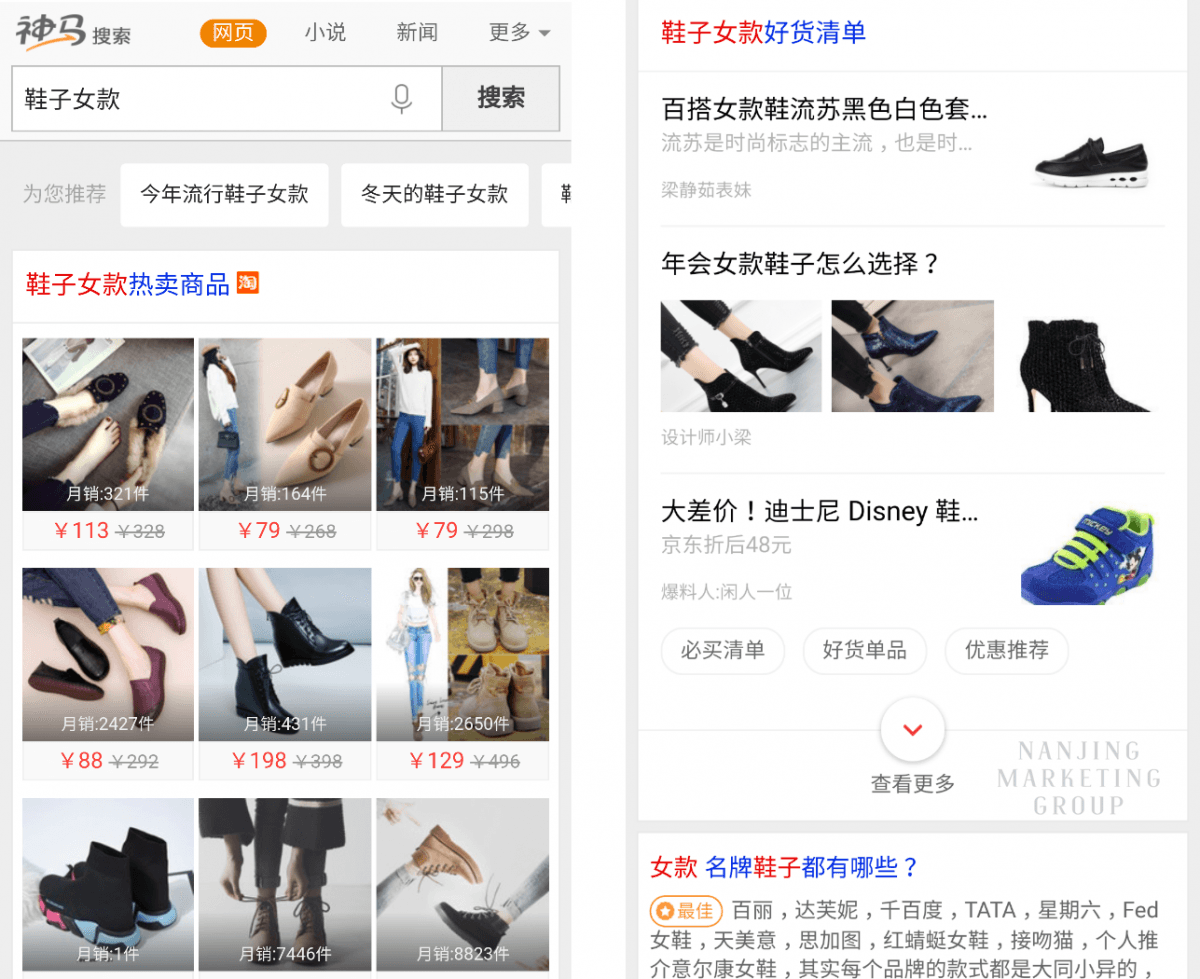
Shenma is a joint venture between Alibaba and UC Web, focusing exclusively on mobile search. Given that nearly all Chinese internet users access the web via mobile devices, Shenma’s mobile-first approach makes it a critical player in the market.
Marketing on Shenma
Shenma’s close ties with Alibaba mean that products listed on Alibaba platforms like Taobao and Tmall get priority in search results. This makes Shenma an excellent choice for marketers targeting mobile users and promoting ecommerce products. Optimizing for Shenma involves ensuring that product pages on Taobao or Tmall are well-maintained and SEO-friendly.
4. Haosuo: The Secure Search Engine
Also known as Qihoo 360 Search, Haosuo is known for its emphasis on security. It holds a significant share of the Chinese search market and is often used by businesses for its strong security features.
Marketing on Haosuo
Haosuo’s SEO rankings prioritize websites with high authority and trustworthiness. This makes it an excellent platform for B2B marketing. The competition on Haosuo is less intense than on Baidu, often resulting in lower cost-per-click rates for paid ads.

5. Youdao: The Translation Giant
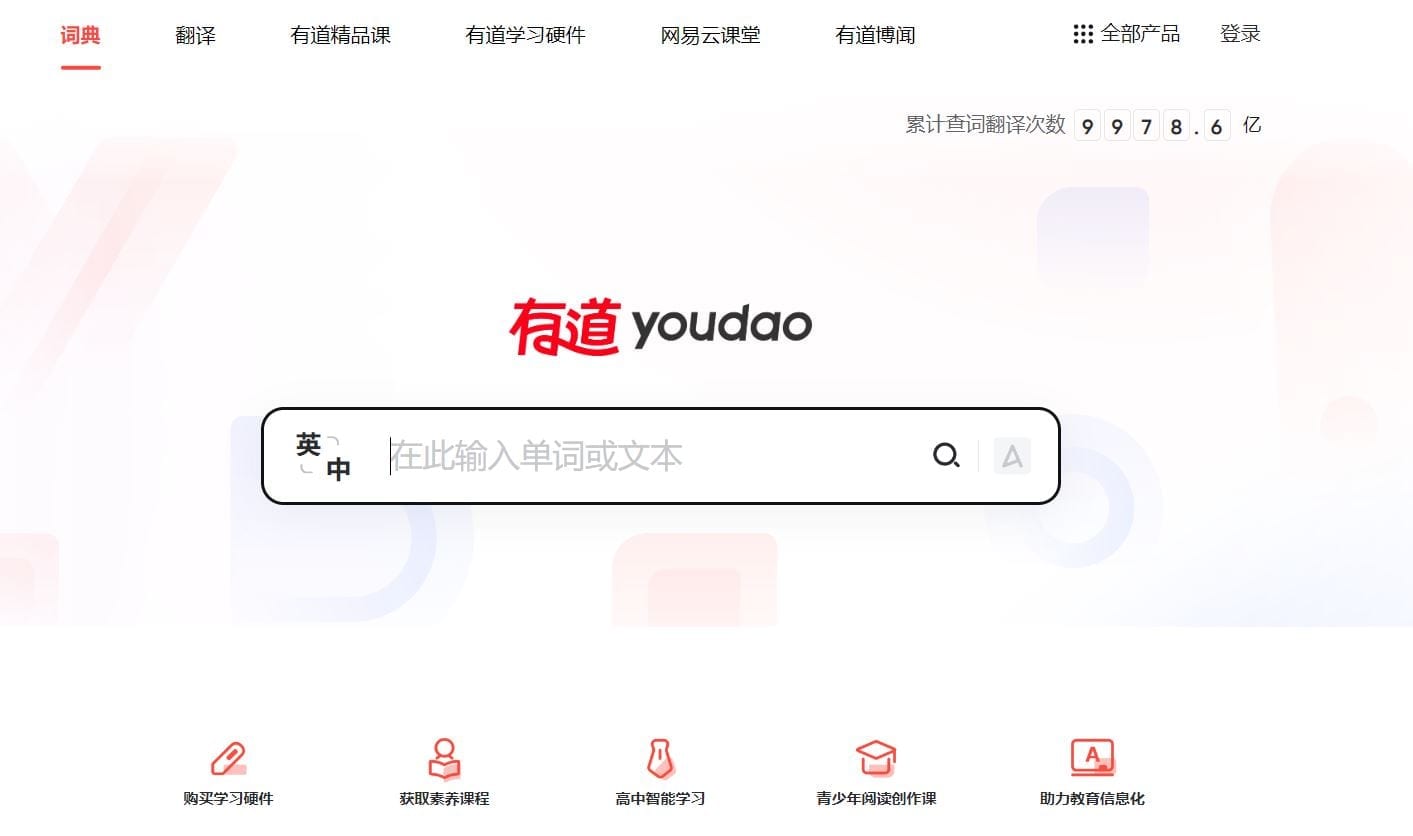
Youdao, part of the NetEase family, operates more like an educational platform than a traditional search engine. It is primarily used by younger, high-income individuals and offers strong translation services.
Marketing on Youdao
Youdao’s unique user base and focus on education make it a niche but valuable platform for marketers. Products and services related to education, learning tools, and international products benefit from Youdao’s translation capabilities and user engagement.
The Importance of Localized SEO in China
Localized SEO is critical for success in China. Each search engine has unique algorithms and preferences that differ significantly from Western search engines. Understanding these nuances and optimizing your website accordingly can greatly enhance your visibility and reach in the Chinese market.
Key Elements of Localized SEO
- Language and Content: Use simplified Chinese and create content that resonates with local audiences.
- Hosting and Speed: Host your website on Chinese servers and ensure fast loading times.
- Keywords and Metadata: Utilize meta keywords and alt texts, particularly for Baidu.
Conclusion
Choosing the best Chinese search engine for your marketing efforts in 2024 depends on your specific goals and target audience. Baidu remains the dominant force, but platforms like Sogou, Shenma, and Haosuo offer unique advantages that can be used for specialized marketing strategies. By understanding the strengths of each search engine and tailoring your approach accordingly, you can effectively reach and engage with the vast Chinese market.
Working on China? Let's grab a coffee.
Tell us where you are now and where you want to get to.